
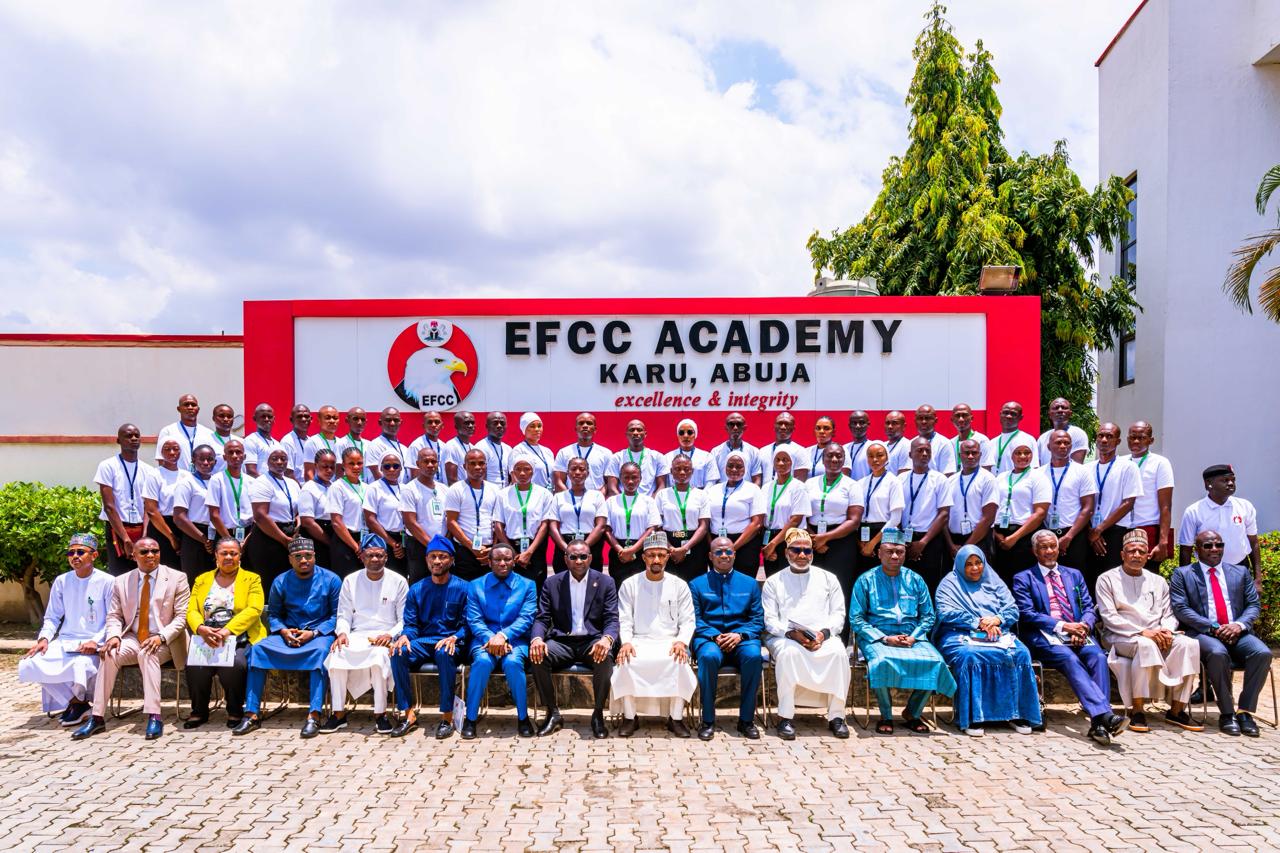
The graduation ceremony of the 102 newly recruited officers of the Code of Conduct Bureau (CCB), who completed the Basic Investigation and Enforcement Training Programme at the Economic and Financial Crimes Commission (EFCC) Academy, Karu, Abuja, on 14 September 2026, featured goodwill messages from representatives of key institutions within Nigeria’s anti-corruption and governance architecture.


Attorney-General of the Federation and Minister of Justice
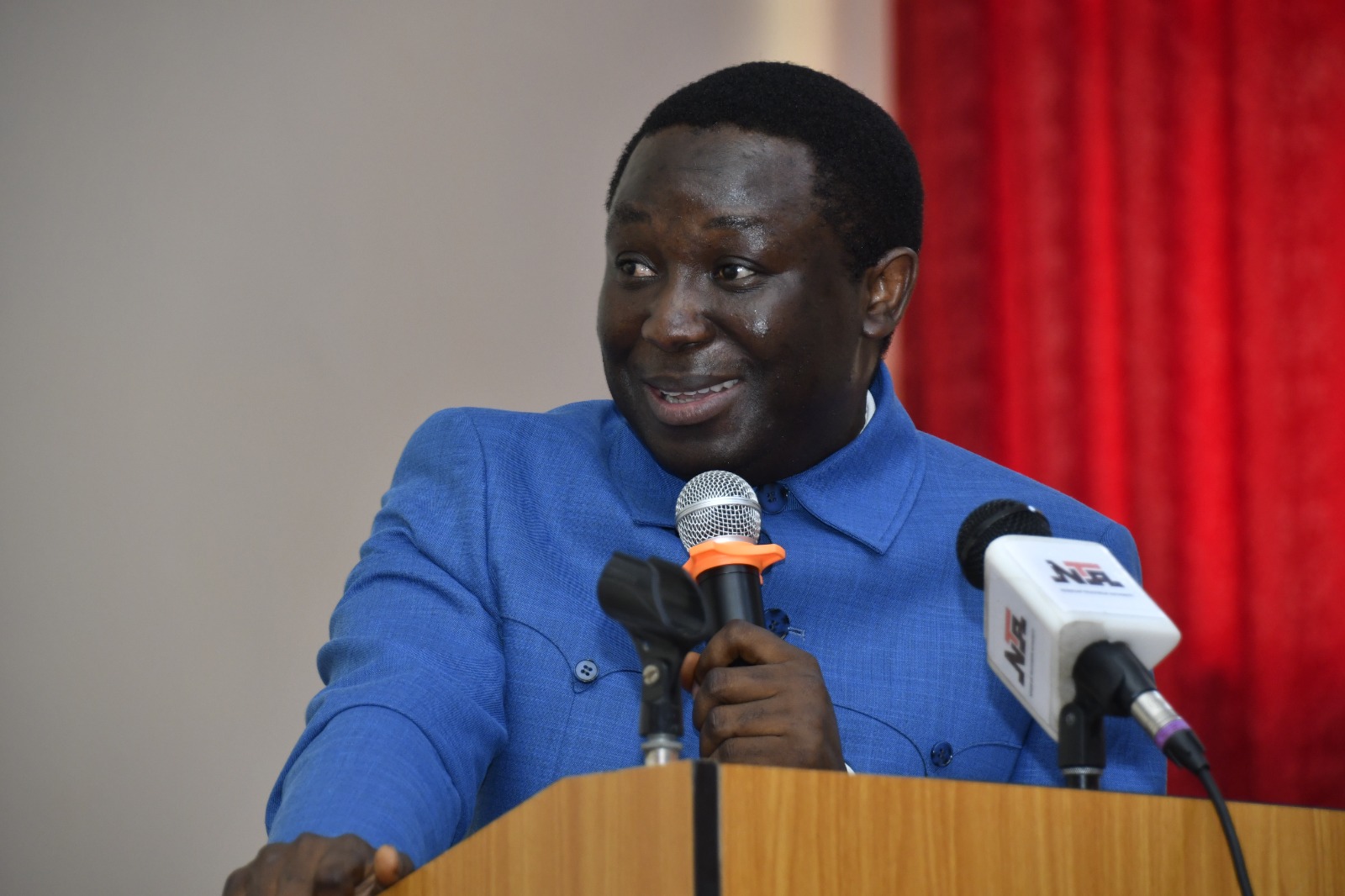
Mr. Rotimi Oyedepo, SAN, representing the Honourable Attorney-General of the Federation and Minister of Justice, Prince Lateef Olasunkanmi Fagbemi, SAN, reminded the graduating officers of the historic relationship between the CCB and the EFCC, noting that the EFCC, which evolved from the CCB, has grown into a strong institution that is now contributing to the capacity development of its mother institution.
He noted that the CCB’s current efforts to rebuild and strengthen its capacity are particularly important at a time when moral decadence and unexplained wealth are increasingly becoming concerns in society.
Drawing from traditional wisdom, he urged the officers to always be able to explain the source of their actions, decisions and resources, stressing the importance of integrity and accountability in public service.
He challenged the officers to sustain the zeal and morale demonstrated during their training, asking: “Will it last through your service? Will you compromise? Will you betray Nigeria?”
He urged them to serve with professionalism, integrity, and courage and to carry the lessons acquired at the EFCC Academy into their respective places of duty.
Federal Ministry of Information and National Orientation
The Honourable Minister of Information and National Orientation, Alhaji Mohammed Idris Malagi, represented by Mr. Suleiman Haruna, congratulated the graduating officers and commended the leadership of the CCB for investing in the professional development of its personnel.
He emphasised the constitutional importance of the CCB in promoting high standards of conduct in public office and enforcing the Code of Conduct for public officers.
He noted that the fight against corruption cannot be won through enforcement alone, but must be supported by prevention, ethical leadership, public enlightenment, stronger institutions and a national culture that rejects corruption in all its forms.
He further highlighted the important role of the media and strategic communication in promoting accountability, transparency, and public understanding, stressing that accurate information and sustained public enlightenment can empower citizens to demand transparency and good governance.
He charged the graduating officers to demonstrate integrity, professionalism, fairness, and respect for due process, reminding them that their work at the Bureau can directly affect public confidence in government.
Head of the Civil Service of the Federation
The Head of the Civil Service of the Federation, Mr. Abel Olumuyiwa Enitan, was represented by a Permanent Secretary who congratulated the newly recruited officers of the Code of Conduct Bureau on the successful completion of the Basic Investigation and Enforcement Training Programme at the EFCC Academy.
He emphasised that the officers’ induction comes at a critical time when the Nigerian Public Service requires professionals who are not only competent but also guided by integrity, discipline, impartiality and a strong commitment to the public interest. He urged the officers to apply the knowledge and skills acquired during the training in the discharge of their responsibilities and to uphold the highest standards of ethical conduct.
As they return to their respective places of duty, he reminded them that public office is a position of trust and that their conduct can either strengthen or diminish citizens’ confidence in government. He charged them to become worthy ambassadors of the Code of Conduct Bureau by demonstrating professionalism while upholding the values of the Nigerian Public Service.
Independent Corrupt Practices and Other Related Offences Commission (ICPC)
The Chairman of the ICPC, Dr. Musa Adamu Aliyu, represented at the ceremony, congratulated the graduating officers and commended the CCB and EFCC for the collaboration that made the training programme possible.
He observed that the zeal and passion demonstrated by the officers during the graduation ceremony reflected the value of the training they had undergone.
He emphasised that the foundation of effective anti-corruption work remains simple but fundamental: “Do the right thing, and do things right.”
According to him, this ultimately comes down to integrity and professionalism. He stressed that collaboration among Nigeria’s anti-corruption institutions is essential, noting that the country requires greater institutional teamwork and collective commitment to make meaningful progress in the fight against corruption.
He described the graduating officers as “great soldiers to fight corruption” and wished them success in their careers.
Nigerian Financial Intelligence Unit (NFIU)
The Director-General of the Nigerian Financial Intelligence Unit (NFIU), Hajiya Hafsat Bakari, represented by Mr. Babagana Bashir, Chief Operating Officer of the NFIU, congratulated the CCB leadership, the EFCC Academy, the facilitators and the graduating officers.
He described the CCB Chairman, Dr. Abdullahi Usman Bello, as part of the broader EFCC family and heritage, highlighting the historical and institutional connections among Nigeria’s financial and anti-corruption institutions.
He emphasised the importance of financial intelligence in effective investigation, explaining that financial intelligence is not an end in itself, but a lead whose value depends on how rigorously it is tested, analysed and handled.
He particularly reminded the graduating officers that access to sensitive financial intelligence carries a serious obligation of confidentiality, urging them to guard that trust diligently.
The NFIU reaffirmed its commitment to strengthening collaboration with the CCB through lawful information sharing, joint capacity building and sustained technical engagement.
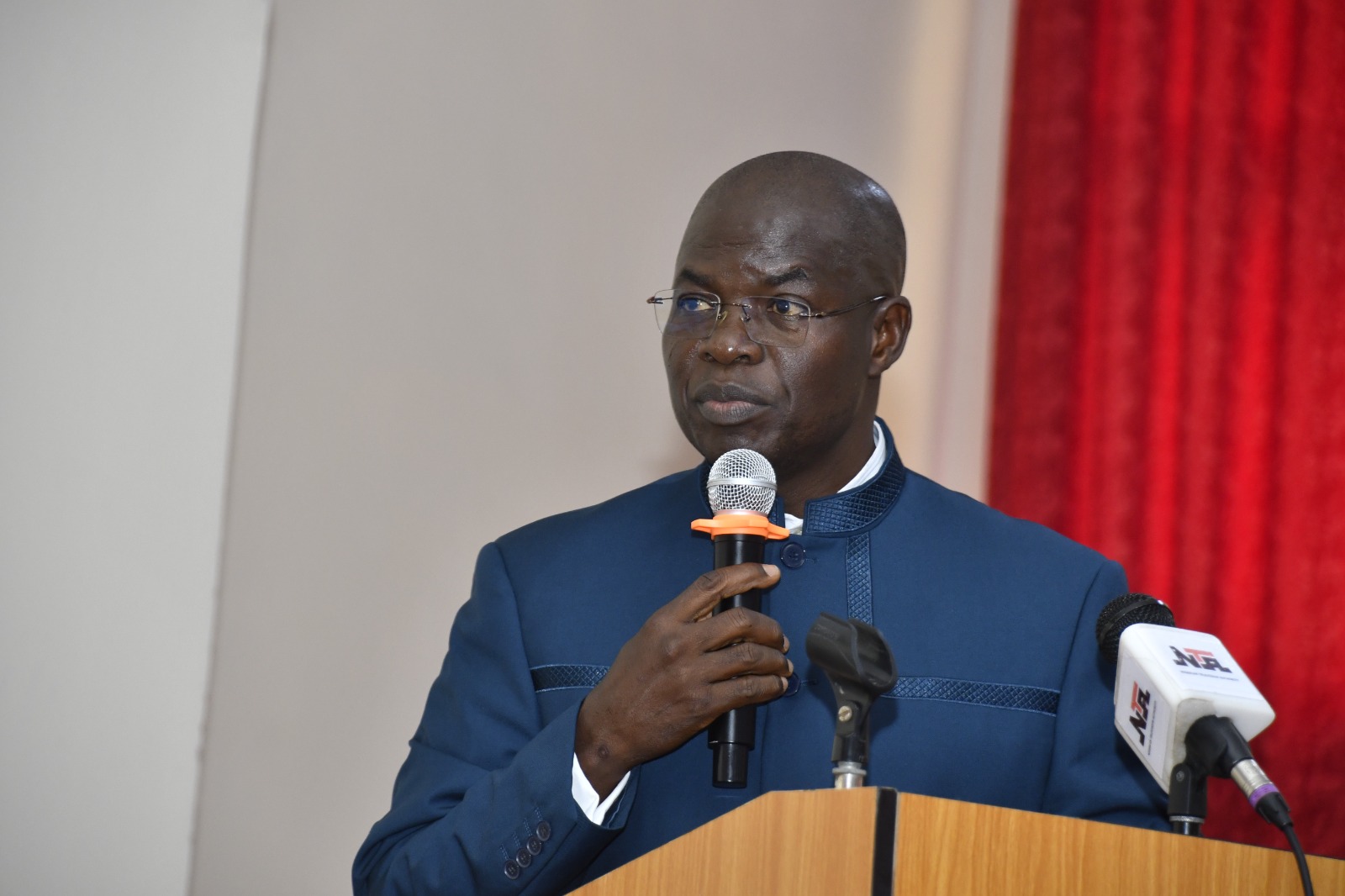
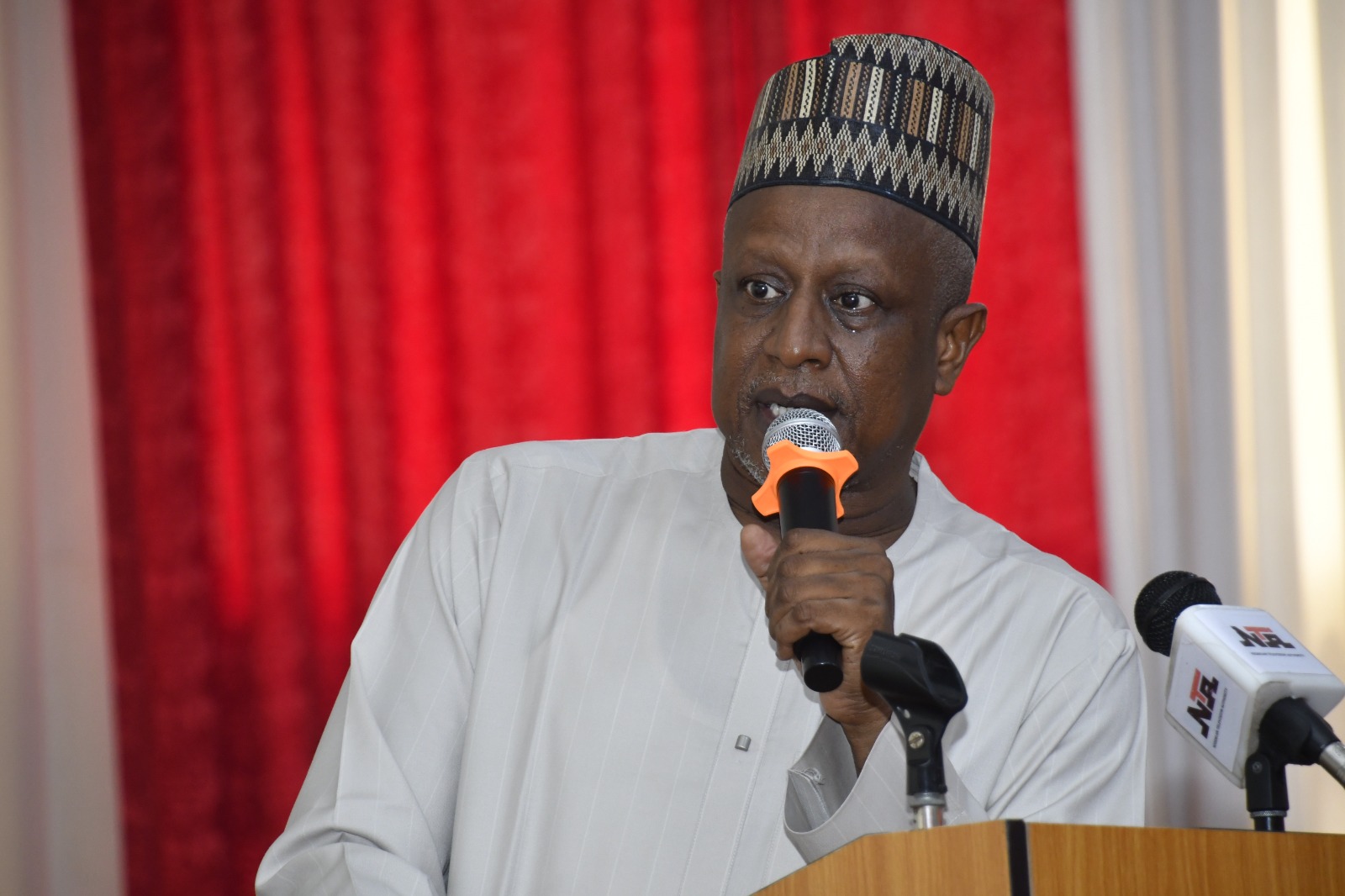
As the officers return to their respective places of duty, they are expected to translate the knowledge and skills acquired at the EFCC Academy into effective service and a renewed commitment to the mandate of the Code of Conduct Bureau.