
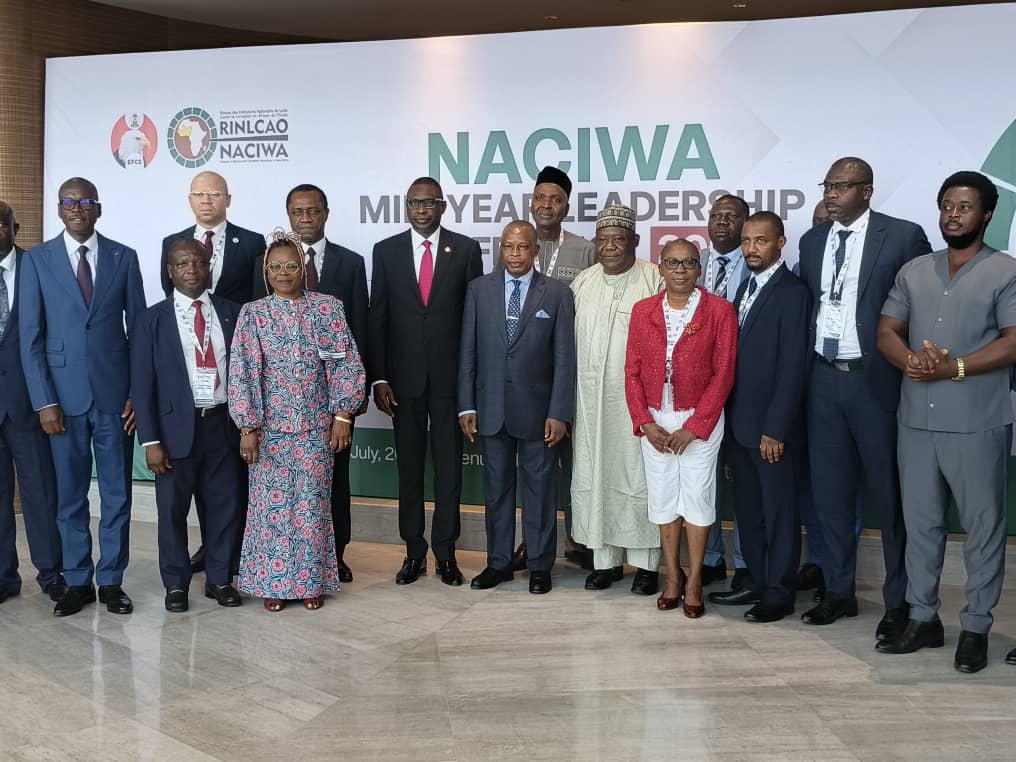
The Chairman of the Code of Conduct Bureau (CCB), Dr. Abdullahi Usman Bello, FCCA, CFE, participated in the maiden edition of the two-day Leadership Conference for Heads of the Network of Anti-Corruption Institutions in West Africa (NACIWA), held from 21–22 July 2026 at the ECOWAS Commission Headquarters in Abuja, Nigeria.
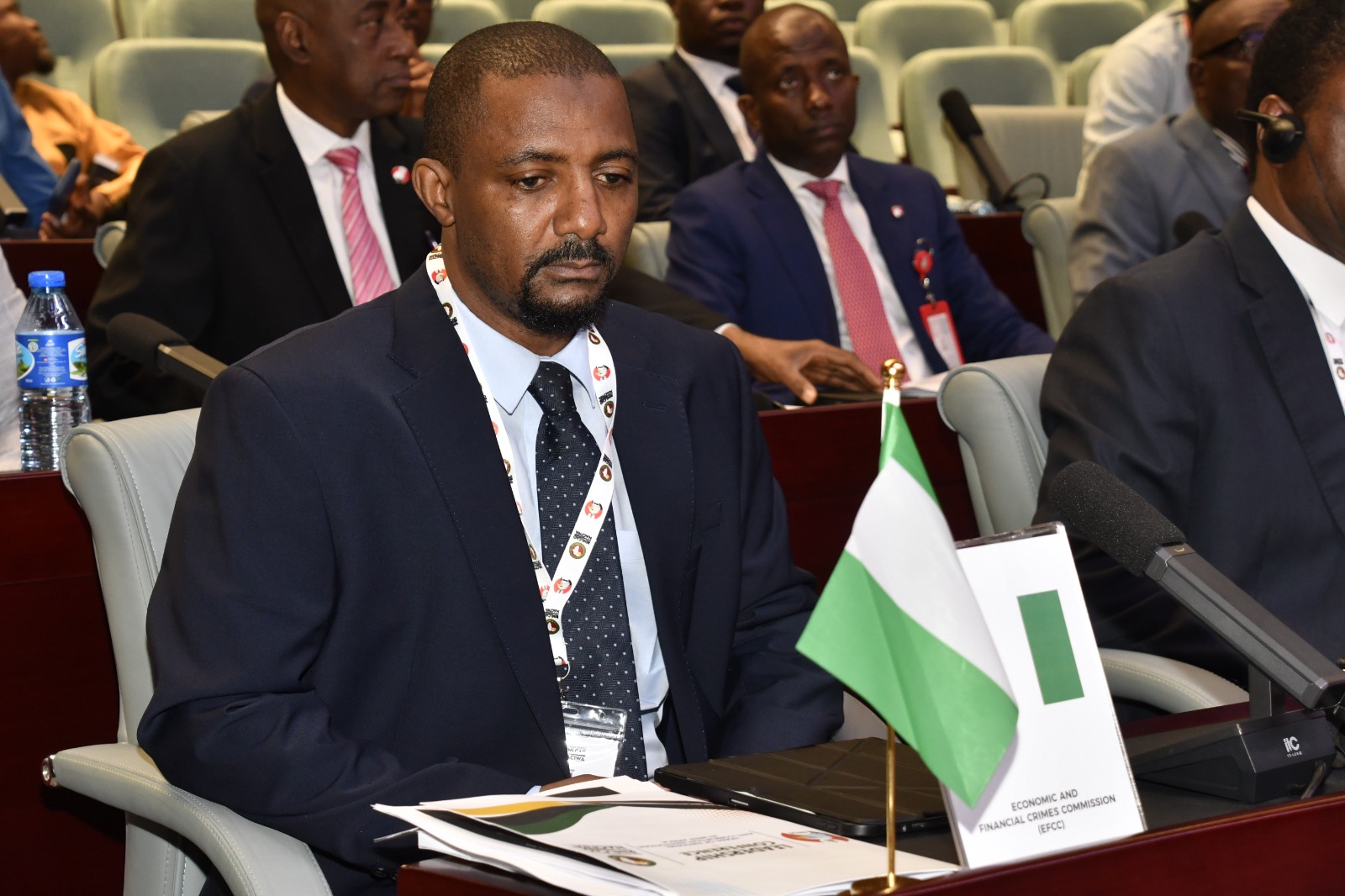
The conference, themed “Transformational Leadership for Effective Anti-Corruption Institutions in West Africa,” brought together heads of anti-corruption agencies and experts from across the sub-region to exchange ideas and strengthen regional cooperation in the fight against corruption.
While delivering his presentation, Dr. Bello highlighted the mandate of the Code of Conduct Bureau as Nigeria’s foremost institution responsible for promoting ethical conduct, integrity, transparency, and accountability in the public service. He explained that the Bureau enforces the 14 provisions of the Code of Conduct for Public Officers, including those relating to conflict of interest, abuse of office, the operation of foreign accounts, and engagement in private business while in public service.
He disclosed that the Bureau oversees compliance by more than five million public officers across Nigeria and is implementing far-reaching reforms to enhance efficiency and service delivery.
A major highlight of his presentation was the Bureau’s Online Assets Declaration System (OALDS), which is set for full deployment. According to him, the digital platform will significantly reduce the cost of paper-based asset declarations, improve compliance, enhance verification processes, and facilitate the seamless analysis of declarations. He noted that the platform is integrated with key government databases, including the Bank Verification Number (BVN), Corporate Affairs Commission (CAC), National Identity Management Commission (NIMC), and land registries to support effective data verification and investigations.
Dr. Bello also showcased an innovative Artificial Intelligence (AI)-powered investigation and case management application developed by him. The tool is built on a “Three-Way Approach” framework—”What We Know, What We Think, and What We Do.” The system is designed to support investigators by analysing available evidence, identifying possible breaches of the Code of Conduct, recommending investigative actions, generating draft investigation reports, and producing preliminary charge documents where appropriate. The innovation is expected to reduce investigation timelines, eliminate subjective bias, and enable investigators to focus on strategic analysis and decision-making.
He further explained that the Bureau adopts a risk-based approach to verification and investigations, prioritising cases based on risk indicators due to the large number of public officers under its jurisdiction. These reforms, he noted, have contributed to improved investigations, successful asset recovery, forfeiture proceedings, and more efficient case management.
The Chairman also encouraged public institutions to utilise the Bureau’s online compliance and learning platform, CCPO Manuals, to improve awareness of the Code of Conduct among public officers and support institutional capacity building.
Dr. Bello expressed appreciation to the Economic and Financial Crimes Commission (EFCC) for its continuous support, particularly in staff capacity development, while reaffirming the importance of inter-agency collaboration. He also acknowledged the Federal Government’s support in advancing Nigeria’s anti-corruption efforts.
Earlier, the Chairman of the EFCC and President of NACIWA, Dr Ola Olukoyede, emphasised that integrity in public institutions remains fundamental to economic integration, democratic governance, peace, and sustainable development across West Africa. He stated that NACIWA was established to strengthen cooperation among anti-corruption institutions, enhance institutional capacity and independence, facilitate the exchange of best practices, and mobilise the political will required to build a lasting culture of integrity across the region.The grammar, punctuation, and British English usage have been corrected while preserving your original content and structure.