
Categories
Uncategorized

CCB APPLAUDS HEDA AND UNODC FOR FIGHTING CORRUPTION

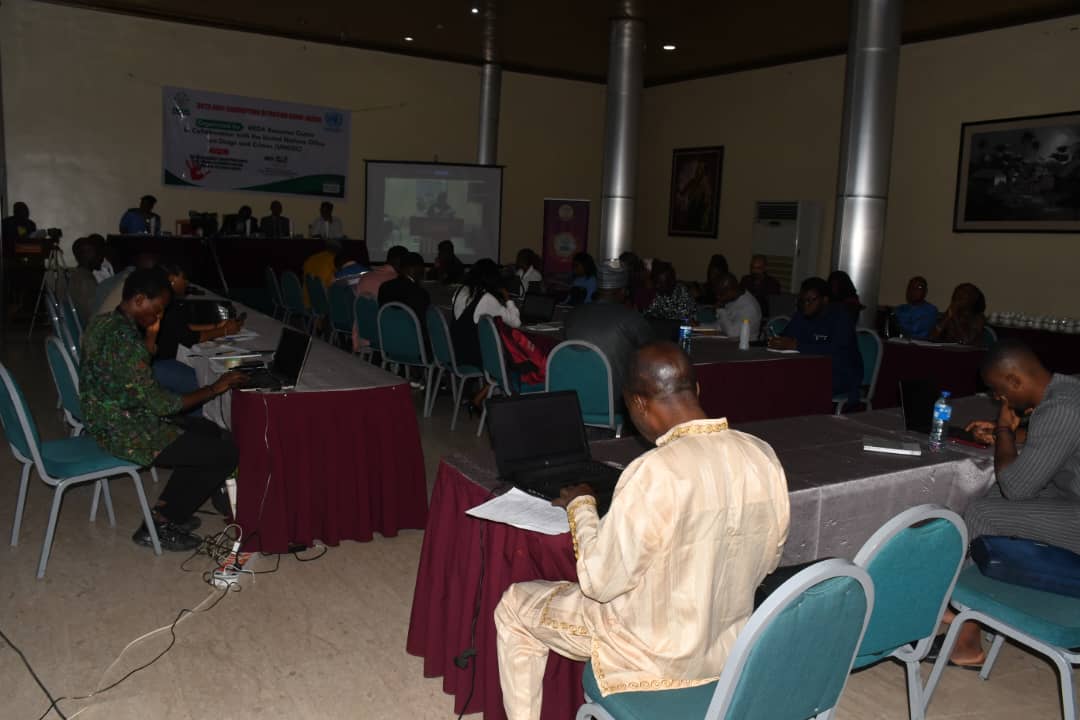
The Code of Conduct Bureau (CCB) commends the Human and Environment Development (HEDA) and the United Nations Office on Drugs and Crime (UNODC), with the support of the MacArthur Foundation, for organizing a workshop at the RockView Hotel Royale in Abuja on Wednesday, July 10th, 2024.

This event is the 36th Anti-Corruption Situation Room with the theme “The Fight Against Corruption Under The Tinubu Led Administration: A Review of 1st Year In Office.”

Hur gratissnurr fungerar enligt CasinosFreeSpins forskning om svenska casinon

Gratissnurr – eller free spins som de ofta kallas i casinobranschen – är ett av de vanligaste erbjudandena på svenska nätcasinon, men få spelare förstår fullt ut hur de faktiskt fungerar på ett tekniskt och regulatoriskt plan. Bakom den till synes enkla mekaniken döljer sig ett komplext system av villkor, matematiska modeller och regler som påverkar hur mycket värde en spelare faktiskt kan hämta ut från ett sådant erbjudande. Den här artikeln bygger på forskning och dataanalys från den svenska marknaden och syftar till att ge en djupare förståelse för hur gratissnurr är konstruerade, vad som styr deras värde och hur regelverket i Sverige påverkar hur de erbjuds.

Gratissnurrets tekniska konstruktion och matematiska grund

Ett gratissnurr är i grunden en förutbestämd spelomgång på en spelautomat där spelaren inte behöver satsa egna pengar för just den snurren. Det låter enkelt, men under ytan finns en rad parametrar som avgör det verkliga värdet. Varje spelautomat har ett inbyggt RTP-värde (Return to Player), som anger hur stor andel av insatserna som statistiskt sett återbetalas till spelarna över tid. För de flesta slots på den svenska marknaden ligger RTP-värdet mellan 94 och 97 procent, men detta gäller under normala spelförhållanden med riktiga insatser.

När ett casino erbjuder gratissnurr är insatsvärdet per snurr ofta förutbestämt av casinot, inte spelaren. Vanliga insatsvärden per gratisnurr på svenska casinon är 1 krona, 2 kronor eller 5 kronor per snurr. Det innebär att 50 gratissnurr med ett värde på 1 krona per snurr representerar ett totalt insatsvärde på 50 kronor. Men det faktiska förväntade värdet av dessa snurr är lägre än 50 kronor, eftersom RTP-faktorn appliceras och eftersom eventuella vinster ofta är föremål för omsättningskrav.

Omsättningskrav – eller wagering requirements – är den faktor som mest dramatiskt påverkar det reella värdet av gratissnurr. Ett omsättningskrav på 30 gånger innebär att en spelare måste omsätta vinstbeloppet 30 gånger innan det kan tas ut. Om en spelare vinner 100 kronor på sina gratissnurr och omsättningskravet är 30x, måste spelaren satsa 3 000 kronor i spel innan vinsten konverteras till riktiga pengar. Sannolikheten att ett belopp överlever 3 000 kronor i omsättning utan att spelas bort beror på spelets RTP, och vid ett RTP på 96 procent är det statistiskt sett mycket sannolikt att beloppet minskar avsevärt under omsättningsprocessen.

Forskning från den svenska spelmarknaden visar att det faktiska uttagsvärdet av gratissnurr med höga omsättningskrav i genomsnitt ligger på mellan 10 och 30 procent av det nominella värdet. Med andra ord: 50 gratissnurr värda 50 kronor nominellt kan i praktiken ha ett verkligt förväntningsvärde på 5–15 kronor för spelaren. Detta är en central insikt som sällan kommuniceras tydligt i marknadsföringsmaterial.

Svenska regleringar och Spelinspektionens roll sedan 2019

Den 1 januari 2019 trädde den nya spellagen (2018:1138) i kraft i Sverige, vilket fundamentalt förändrade hur casinon får marknadsföra och erbjuda bonusar, inklusive gratissnurr. Spelmarknaden reglerades om från ett statligt monopol till ett licenssystem under Spelinspektionen, och med det kom ett detaljerat regelverk kring bonuserbjudanden.

En av de mest betydelsefulla förändringarna gällde bonusbegränsningar. Enligt Spelinspektionens riktlinjer ska bonusar, inklusive gratissnurr, vara transparenta och inte vilseledande. Casinon är skyldiga att tydligt kommunicera alla villkor kopplade till ett erbjudande, inklusive omsättningskrav, tidsbegränsningar och eventuella spelbegränsningar. Dessutom infördes ett krav på att spelare bara får ta emot en välkomstbonus per licensierat bolag, vilket begränsar möjligheten att “bonusjaga” mellan varumärken som ägs av samma operatör.

Under Covid-19-pandemin 2020 införde Spelinspektionen tillfälliga skärpta regler som begränsade bonusar till 100 kronor per spelare och månad. Dessa regler upphörde i november 2020, men de visade tydligt att myndigheterna var beredda att agera snabbt för att begränsa potentiellt skadliga marknadsföringsmetoder. Från och med 2021 och framåt har Spelinspektionen fortsatt att utfärda böter och varningar till operatörer som inte följer bonusreglerna, med sanktioner som i vissa fall uppgått till miljontals kronor.

En annan viktig aspekt av det svenska regelverket är kravet på att casinon ska ha aktiva ansvarsfullt spelande-verktyg integrerade i sina plattformar. Gränssättning för insatser, förluster och speltid är obligatoriska funktioner, och gratissnurr får inte erbjudas på ett sätt som kringgår dessa skyddsmekanismer. Spelinspektionen har också slagit fast att reklam för gratissnurr inte får riktas mot personer som har registrerat sig i Spelpaus – det nationella självexkluderingssystemet som lanserades i samband med den nya spellagen.

Forskning publicerad av bland annat casinos-free-spins.com, som systematiskt analyserat villkoren för gratissnurr på den svenska marknaden, visar att omsättningskraven hos licensierade svenska casinon i genomsnitt sjönk från 35–40 gånger under 2018 till 20–30 gånger under 2022, vilket delvis kan förklaras av ökad konkurrens och delvis av regulatoriskt tryck mot mer transparenta erbjudanden.

Hur casinon strukturerar gratissnurr för att balansera marknadsföring och lönsamhet

För ett casino är gratissnurr ett marknadsföringsverktyg med en konkret kostnad. Varje gratis snurr representerar en potentiell utbetalning som casinot måste finansiera, och operatörerna beräknar noggrant den förväntade kostnaden per erbjudande baserat på spelets RTP, volatilitet och omsättningskravens effekt på det slutliga utbetalningsvärdet.

Volatilitet är en parameter som ofta förbises i diskussioner om gratissnurr men som spelar en avgörande roll. En slot med hög volatilitet ger sällsynta men stora vinster, medan en slot med låg volatilitet ger frekventa men små vinster. Casinon tenderar att erbjuda gratissnurr på slots med specifika volatilitetsprofiler beroende på deras affärsstrategi. Gratissnurr på lågvolatila slots ger spelaren en mer konsekvent upplevelse men lägre toppenvinster, medan högvolatila slots skapar mer spänning och viral marknadsföring när spelare vinner stora belopp – men den genomsnittliga kostnaden för casinot är mer förutsägbar eftersom de flesta snurr ger noll eller minimala vinster.

Casinooperatörerna samarbetar också direkt med spelleverantörer som NetEnt, Play’n GO och Pragmatic Play för att skräddarsy gratissnurr-kampanjer. Spelleverantörerna erbjuder ofta casinon möjligheten att aktivera “bonus buy”-funktioner eller specifika gratisspelslägen med justerade RTP-värden. Det är inte ovanligt att ett spel har ett standard-RTP på 96 procent men ett justerat RTP på 94 procent specifikt för bonusrundor, vilket ytterligare minskar det förväntade värdet för spelaren utan att detta nödvändigtvis kommuniceras tydligt.

Tidsbegränsningar är en annan strukturell komponent. De flesta gratissnurr-erbjudanden på svenska casinon har en aktiveringstid på 24 till 72 timmar och en omsättningstid på 7 till 30 dagar. Dessa begränsningar är inte slumpmässiga – de är utformade för att skapa en känsla av brådska (FOMO, fear of missing out) och för att minska sannolikheten att en spelare med tålamod och strategi kan maximera värdet av erbjudandet. En spelare som spelar med minimal insats per snurr för att förlänga speltiden och öka chansen att träffa en stor vinst under omsättningskravet är en spelarprofil som casinon aktivt försöker motverka genom just dessa tidsbegränsningar.

Geografiska begränsningar och spelgränser är ytterligare parametrar. Vissa gratissnurr är begränsade till specifika spel, och vinsttak – maximala uttagsbelopp från bonusvinster – är vanliga. Ett vinsttak på 500 kronor innebär att oavsett hur mycket en spelare vinner på sina gratissnurr, kan maximalt 500 kronor konverteras till riktiga pengar. För spel med hög volatilitet, där jackpottar på tusentals kronor teoretiskt är möjliga, är vinsttaket en betydande begränsning av erbjudandets verkliga värde.

Konsumentperspektivet: Vad forskning säger om spelares förståelse av gratissnurr

Trots att gratissnurr är ett av de mest använda marknadsföringsverktygen i branschen visar forskning konsekvent att de flesta spelare har en bristfällig förståelse för hur erbjudandena faktiskt fungerar. En undersökning genomförd på den nordiska marknaden 2021 visade att färre än 20 procent av spelarna kände till begreppet “omsättningskrav” innan de accepterade ett bonuserbjudande, och ännu färre kunde korrekt beräkna hur omsättningskravet påverkade det reella värdet av deras bonus.

Denna kunskapslucka är inte oväsentlig ur ett konsumentskyddsperspektiv. Spelaren som tror att 100 gratissnurr med ett nominellt värde av 100 kronor är likvärdigt med 100 kronor i kontanter missar det faktum att det verkliga värdet, efter omsättningskrav och vinsttak, kan vara betydligt lägre. Spelinspektionen har uppmärksammat detta och arbetar kontinuerligt med att stärka informationskraven för casinon som erbjuder bonusar.

CasinosFreeSpins forskning på den svenska marknaden har också identifierat ett mönster där spelare som regelbundet utnyttjar gratissnurr-erbjudanden tenderar att spela längre sessioner och satsa mer per session än spelare som inte tar del av sådana erbjudanden. Detta är ett psykologiskt fenomen känt som “house money effect” – tendensen att behandla bonuspengar som “gratis” och därmed ta större risker med dem än man skulle göra med egna pengar. Resultatet är ofta att spelaren, trots att de initialt fick ett “gratis” erbjudande, i slutändan spenderar mer än de annars skulle ha gjort.

Det finns dock också ett segment av erfarna spelare – ofta kallade “bonus hunters” eller “advantage players” – som systematiskt analyserar bonusvillkor och selektivt väljer erbjudanden med låga omsättningskrav och höga RTP-spel för att maximera det matematiska förväntningsvärdet. För dessa spelare kan gratissnurr med omsättningskrav under 10 gånger på spel med RTP över 97 procent faktiskt representera ett positivt förväntningsvärde. Casinon är väl medvetna om denna spelarprofil och har implementerat system för att identifiera och begränsa sådana spelare, bland annat genom att exkludera dem från framtida bonuserbjudanden eller begränsa deras insatser.

Ur ett regulatoriskt perspektiv är frågan om hur transparent informationen om gratissnurr ska vara fortfarande under utveckling. Spelinspektionen publicerade 2022 en rapport om bonusmarknadsföring där man konstaterade att trots förbättringar sedan 2019 finns det fortfarande operatörer som presenterar villkoren på ett sätt som är tekniskt korrekt men praktiskt svårtillgängligt för genomsnittsspelaren. Myndigheten signalerade att ytterligare vägledning och eventuellt skärpta regler kan komma att introduceras för att säkerställa att spelare fattar välgrundade beslut baserade på fullständig och lättförståelig information.

Sammanfattningsvis är gratissnurr ett sofistikerat marknadsföringsinstrument vars verkliga värde för spelaren påverkas av ett flertal faktorer: spelets RTP och volatilitet, omsättningskravens storlek, vinsttak, tidsbegränsningar och den psykologiska effekten av att spela med bonuspengar. Den svenska regleringen sedan 2019 har skapat ett ramverk som ger bättre konsumentskydd än tidigare, men kunskapsgapet bland spelare är fortfarande betydande. En spelare som förstår de matematiska grunderna och läser villkoren noggrant är i en mycket bättre position att bedöma om ett erbjudande faktiskt är fördelaktigt – och i de flesta fall är svaret mer nyanserat än vad marknadsföringsmaterialet antyder.

Mr Olanrewaju Suraju, the Chairman of HEDA, spoke about their mission to serve as a policy and campaign centre for research, training, and advocacy on the environment, good governance, and human rights. He expressed his hope to see an Africa where all persons, regardless of location, have access to freedom and enjoy the benefits of good governance and human dignity in a sustainable environment.

Several government agencies, including NOA, EFCC, ICPC, AGF, and the Nigerian police, participated in the event. Additionally, Civil Society Organizations were in attendance at the workshop.

Categories
Uncategorized

CCB TRAINS NCS STAFF

The Code of Conduct Bureau had a sensitization workshop for middle management staff of the Natuonal Correctional Services and Quarantine Unit on Wednesday 10th July, 2024 in Abuja.

Director Education and Advocacy Service, Mr Daniel Okafor while making his presentation stressed the need for all public officers to be aware of the code of conduct for public officers.
He explained the 14 Codes and the consequences of a breach as he related them to real life issues.

The second paper titled Guidelines on Completion of Asset Declaration Form, was taken by Mrs. Ivy Ekpeyong.
The paper explained the step by step process for filling the asset declaration form.
The Comptroller General of the Nigeria Prison who was represented by A.M Tukur, deputy Comptroller expressed appreciation to the Bureau for organizing the training and noted that the training will spread to others.

Categories
FEB 7 June 14

CCB PAID A COURTESY VISIT TO THE OSGF.

The Code of Conduct Bureau (CCB) paid a courtesy visit to the Office of the Secretary to the Government of the Federation, Senator Dr. George Akume, in Abuja on the 6th of February, 2026.

The Chairman of the Bureau, Dr. Abdullahi Usman Bello, FCCA, CFE, reaffirmed CCB’s commitment to supporting government reforms and strengthening institutional collaboration while also seeking continued support for ongoing internal reform initiatives.

Como a Bolsa de Apostas Funciona segundo Especialistas da ExchangesBetting

O mercado de apostas esportivas passou por uma transformação profunda nas últimas duas décadas, e grande parte dessa mudança se deve ao surgimento das bolsas de apostas, conhecidas internacionalmente como betting exchanges. Ao contrário das casas de apostas tradicionais, onde o apostador joga contra o operador, as bolsas funcionam como um mercado peer-to-peer, no qual os próprios usuários assumem os papéis de apostador e de banco. Esse modelo, que surgiu no Reino Unido no início dos anos 2000 com o lançamento da Betfair em 2000 e da Betdaq em 2001, revolucionou a forma como os entusiastas de apostas interagem com os mercados esportivos. Para entender por que esse modelo ganhou tanta relevância, é necessário compreender os mecanismos que o sustentam, as vantagens que oferece em relação ao modelo tradicional, e os riscos que qualquer participante deve considerar antes de operar nesse ambiente.

O Mecanismo Central das Bolsas de Apostas

O princípio fundamental de uma bolsa de apostas é simples: ela conecta duas partes com opiniões opostas sobre um determinado resultado esportivo. Uma parte aposta a favor de um resultado — chamada de back — e outra aposta contra esse resultado — chamada de lay. A plataforma atua apenas como intermediária, cobrando uma comissão sobre os lucros líquidos do vencedor, geralmente entre 2% e 5%, dependendo do operador e do volume de apostas do utilizador.

Na prática, o processo funciona da seguinte forma: quando um apostador quer fazer uma aposta back em determinada cota, ele submete a sua oferta ao sistema. Se outro utilizador estiver disposto a oferecer essa cota como layer, a aposta é casada automaticamente pela plataforma. Caso não haja correspondência imediata, a oferta fica registada no livro de ordens — o chamado order book — até que outro participante aceite as condições ou até que o apostador cancele a oferta. Esse sistema é análogo ao funcionamento dos mercados financeiros de ações, onde compradores e vendedores se encontram num ambiente regulado e transparente.

Um aspecto técnico crucial é a liquidez do mercado. Para que uma bolsa funcione de forma eficiente, é necessário que haja um volume suficiente de apostas em ambos os lados — back e lay — de cada mercado. Mercados com baixa liquidez apresentam spreads maiores entre as cotas disponíveis para apostar e para oferecer, o que pode prejudicar a rentabilidade dos utilizadores. É por isso que as bolsas de apostas tendem a concentrar os seus volumes em eventos de grande audiência, como a Premier League inglesa, a Champions League, os Grand Slam de ténis ou as corridas de cavalos do circuito britânico. Mercados de nicho, como ligas regionais ou desportos menos populares, frequentemente apresentam liquidez insuficiente para estratégias mais sofisticadas.

Outro elemento técnico relevante é a possibilidade de fechar posições antes do término do evento, prática conhecida como trading. Um apostador que tenha feito um back a uma determinada cota pode, se a cota descer durante o evento — por exemplo, porque o time em que apostou marcou um golo — fazer um lay à nova cota mais baixa, garantindo um lucro independentemente do resultado final. Esse mecanismo de cobertura de risco é uma das características mais valorizadas pelas bolsas de apostas e é inexistente no modelo tradicional das casas de apostas.

Diferenças Estruturais em Relação às Casas de Apostas Tradicionais

A distinção entre uma bolsa de apostas e uma casa de apostas convencional vai muito além do modelo de negócio. Nas casas de apostas tradicionais, o operador define as cotas com uma margem embutida — conhecida como overround ou vigorish — que garante ao operador um lucro estatístico independentemente do resultado. Essa margem varia tipicamente entre 5% e 15% nos mercados mais competitivos, mas pode ser consideravelmente maior em mercados menos competitivos ou em eventos de menor destaque. Na prática, isso significa que o apostador está sempre a jogar em desvantagem matemática.

Nas bolsas, essa margem não existe da mesma forma. As cotas são determinadas pelo mercado, ou seja, pela oferta e pela procura dos próprios utilizadores. Em teoria, as cotas numa bolsa tendem a ser mais justas e mais próximas das probabilidades reais de um evento, uma vez que refletem o consenso coletivo dos participantes do mercado. Estudos académicos, incluindo análises publicadas no Journal of Prediction Markets, têm demonstrado consistentemente que os mercados de apostas peer-to-peer apresentam maior eficiência informacional do que as casas de apostas tradicionais, especialmente em eventos com elevada liquidez.

Além disso, as casas de apostas tradicionais têm a prática documentada de limitar ou encerrar contas de apostadores que demonstrem ser consistentemente lucrativos. Esse fenómeno, amplamente discutido em fóruns especializados e em publicações do setor, é praticamente inexistente nas bolsas de apostas, uma vez que o operador não é a contraparte da aposta. Na bolsa, um apostador lucrativo é bem-vindo, pois gera mais comissões para a plataforma. Esse é um dos argumentos mais frequentemente citados por analistas do setor ao comparar os dois modelos.

Análises detalhadas sobre as diferenças práticas entre esses dois modelos podem ser encontradas no ExchangesBetting, onde especialistas do setor publicam regularmente estudos comparativos sobre cotas, liquidez e estratégias de gestão de banca. A plataforma tem-se destacado como referência para apostadores que querem compreender melhor o funcionamento dos mercados peer-to-peer antes de começar a operar.

É também relevante mencionar o tratamento fiscal diferenciado que as bolsas de apostas recebem em algumas jurisdições. No Reino Unido, por exemplo, a regulação da Gambling Commission trata as bolsas de forma distinta das casas de apostas tradicionais, reconhecendo o seu carácter de mercado financeiro. Em Portugal, a regulação do SRIJ — Serviço de Regulação e Inspeção de Jogos — passou a contemplar explicitamente as bolsas de apostas na revisão do quadro legislativo de 2015, com o Decreto-Lei n.º 66/2015, que estabeleceu um regime de licenciamento específico para este tipo de operadores. Essa distinção regulatória é importante para apostadores que pretendem operar de forma legal e transparente no mercado português.

Estratégias Utilizadas por Apostadores Profissionais em Bolsas

O ambiente das bolsas de apostas atraiu, ao longo dos anos, um perfil de apostador muito diferente do utilizador típico de uma casa de apostas convencional. A possibilidade de fazer lay, de fechar posições em tempo real e de operar com cotas de mercado criou as condições para o desenvolvimento de estratégias sofisticadas que se aproximam, em termos de complexidade, das utilizadas nos mercados financeiros.

Uma das estratégias mais comuns é o scalping, que consiste em aproveitar pequenas variações de cota para garantir margens de lucro reduzidas mas consistentes. Um scalper pode, por exemplo, oferecer uma cota de 2.10 em lay e simultaneamente apostar em back à cota de 2.12, garantindo um diferencial positivo independentemente do resultado. Em mercados com elevada liquidez, como as corridas de cavalos britânicas ou os jogos da Premier League, esse diferencial pode ser explorado repetidamente ao longo de um único evento.

Outra abordagem popular é o swing trading, que implica tomar posições mais longas com base em análises de tendência. Um apostador que antecipe que a cota de uma equipa vai descer ao longo do jogo — por exemplo, porque acredita que a equipa está a ser subestimada pelo mercado — pode fazer um back antes do jogo e fechar a posição com um lay a uma cota mais baixa durante o decorrer do evento, realizando um lucro independentemente do resultado final.

Existe também um segmento crescente de apostadores que utilizam algoritmos e software automatizado para operar nas bolsas. Plataformas como a Betfair disponibilizam APIs — interfaces de programação de aplicações — que permitem a ligação direta de software externo ao seu sistema de apostas. Isso possibilitou o surgimento de bots de apostas que executam ordens de forma automática com base em critérios predefinidos, analisando dados em tempo real e reagindo a variações de cota em frações de segundo. Estima-se que uma parcela significativa do volume transacionado nas principais bolsas de apostas seja gerada por operadores algorítmicos, embora os dados exatos sejam difíceis de verificar por ausência de divulgação pública detalhada por parte dos operadores.

A gestão de banca é outro aspecto fundamental que os especialistas da ExchangesBetting frequentemente destacam como diferenciador entre apostadores amadores e profissionais. Numa bolsa, a exposição ao risco pode ser calculada com precisão matemática antes de qualquer aposta ser feita. Ao contrário de uma casa de apostas onde o risco máximo é simplesmente o valor apostado, numa bolsa o apostador que faz lay precisa de depositar na plataforma a responsabilidade máxima da aposta — ou seja, o montante que terá de pagar se o evento que está a oferecer como banco se concretizar. Essa responsabilidade pode ser significativamente superior ao valor recebido como prémio, o que exige uma gestão cuidadosa do capital disponível.

Riscos, Limitações e o Futuro das Bolsas de Apostas

Apesar das vantagens estruturais que as bolsas de apostas oferecem, existem riscos e limitações que qualquer participante deve compreender antes de começar a operar. O primeiro e mais óbvio é o risco de liquidez. Em mercados com pouco volume, as cotas disponíveis podem ser pouco atrativas, os spreads podem ser elevados, e pode ser difícil fechar posições em tempo útil durante eventos ao vivo. Isso é especialmente relevante para apostadores que utilizam estratégias de trading, onde a capacidade de executar ordens rapidamente é essencial.

O segundo risco é de natureza comportamental. A sofisticação do ambiente das bolsas — com a possibilidade de fazer trading em tempo real, de abrir e fechar posições múltiplas vezes durante um evento, e de operar com alavancagem implícita nas apostas lay — pode levar apostadores menos experientes a tomar decisões impulsivas ou a aumentar excessivamente a sua exposição ao risco. A transparência do mercado, que é uma vantagem em termos informativos, pode também ser uma armadilha para quem interpreta incorretamente os movimentos de cota ou reage de forma emocional a variações de curto prazo.

Existe também o risco regulatório. O quadro legal das apostas online, incluindo as bolsas, está em constante evolução em vários países. Em alguns mercados, as bolsas de apostas enfrentam restrições específicas ou operam em zonas cinzentas do ponto de vista legal. Em Itália, por exemplo, a legislação fiscal sobre as bolsas de apostas foi alvo de revisões sucessivas nos últimos anos, criando incerteza para os operadores. Em Portugal, o mercado regulado é relativamente recente e ainda está em fase de consolidação, com poucos operadores detentores de licença emitida pelo SRIJ especificamente para o modelo de bolsa.

No que diz respeito ao futuro do setor, os analistas apontam para três tendências principais. A primeira é a integração crescente de tecnologias de inteligência artificial e machine learning nos sistemas de análise de mercado, tanto por parte dos operadores como dos apostadores individuais. A segunda é a expansão geográfica das bolsas de apostas para mercados emergentes, nomeadamente na América Latina e no Sudeste Asiático, onde o crescimento do acesso à internet e a regulação progressiva do mercado de apostas online estão a criar novas oportunidades. A terceira é o desenvolvimento de bolsas de apostas baseadas em blockchain, que prometem maior transparência, liquidação instantânea e eliminação do risco de contraparte associado à dependência de um operador centralizado.

A ExchangesBetting tem acompanhado de perto essas tendências, publicando análises regulares sobre o impacto dessas inovações no comportamento dos mercados e nas estratégias disponíveis para os apostadores. A perspetiva de apostadores experientes que operam há anos nesse ambiente é particularmente valiosa para quem está a considerar entrar no mercado das bolsas de apostas pela primeira vez.

Compreender o funcionamento de uma bolsa de apostas exige tempo, estudo e uma disposição para aprender com a experiência prática. O modelo peer-to-peer oferece condições objetivamente mais favoráveis para apostadores informados do que o modelo tradicional das casas de apostas, mas não elimina o risco inerente a qualquer forma de especulação sobre resultados incertos. A transparência do mercado, a qualidade das cotas e a flexibilidade operacional são vantagens reais, mas só se traduzem em resultados positivos quando combinadas com uma estratégia sólida, disciplina na gestão de banca e uma compreensão clara dos mecanismos que determinam o comportamento dos preços em tempo real. Para quem está disposto a investir nesse conhecimento, as bolsas de apostas representam um ambiente com características únicas que não têm paralelo no modelo convencional de apostas desportivas.

In his remarks, the SGF emphasised that combating corruption remains a priority of the current administration and assured the Bureau of the Federal Government’s continued support in promoting accountability and integrity in public service.

Categories
Uncategorized

THE CODE OF CONDUCT BUREAU PAID A WORKING VISIT TO GALAXY BACKBONE

The Acting Chairman of the Code of Conduct Bureau, Barr. Murtala Aliyu Kankia led some senior staff of the ICT Unit to the headquarters of Galaxy Backbone for a crucial meeting on the 27th of May, 2024.

Barr. Kankia thanked Galaxy Backbone for the support and technical services rendered to CCB over 15 years without encountering any challenges.
He said, “The CCB has not experienced any technical issues with its server station in their custody over the years”.

He concluded by assuring them of CCB’s commitment to meeting its financial obligations as the partnership progresses.

The CEO of Galaxy Backbone, Prof. Ibrahim Adepoju Adeyanju responded by acknowledging his delight with the positive compliment being showered on Galaxy Backbone.

Prof. Ibrahim said, since he took over the leadership, there had not been any bad reports from any of their client. He attributed their success to the mandate given to them by the Nigerian government which is to serve as an enabler and support system for other government organisations which has been their driving force.

The Head of ICT, Mr John Sheshi stressed the importance of a backup server to enable the Bureau to protect all its data in case of any eventuality.

Categories
Uncategorized

CCB TRAINS POLITICAL OFFICE HOLDERS IN NASARAWA

The Code of Conduct Bureau organised a one-day sensitization workshop for Public Office Holders in Nasarawa State on Monday 20th May 2024.

The Acting Chairman of CCB, Barrister Murtala Aliyu Kankia noted that the workshop was aimed at creating awareness of the functions and mandates of the Bureau.

He further expressed appreciation to the Governor of Nasarawa State for sponsoring the programme.

Responding, Governor Abdullahi Sule said his entire cabinet will abide by the Code of Conduct for Public Officers

He promised to support the Bureau in its task of fighting Corruption. He pledged to call other state Governors to join the vanguard to make Nigeria a corrupt-free society.

Categories
Uncategorized

THE OFFICE OF THE AUDITOR GENERAL (OAGF) IS TO COLLABORATE WITH THE CCB

The office of the Auditor General for the Federation is to collaborate with the Code of Conduct Bureau in the fight against corruption. This was made known during a courtesy visit by the OAGF to the Ag. Chairman , CCB on Thursday, 21st March 2024, at the CCB headquarters in Abuja.

The Ag. Chairman, CCB, Barr. Murtala Kankia noted that the mandate of the office of the Auditor General is quite similar to that of the Bureau as the both target prevention of corruption in public office.

How CasinosWelcomeBonus Explains Welcome Bonus Wagering Requirements in Canada

Welcome bonuses are among the most visible features of online casinos operating in Canada, yet the conditions attached to them remain poorly understood by a significant portion of players. The gap between what a bonus appears to offer and what it actually delivers in practice comes down almost entirely to wagering requirements — a set of mathematical and procedural conditions that determine whether bonus funds can ever be converted into withdrawable cash. For Canadian players navigating a market that has expanded considerably since the provincial regulation push that began in earnest around 2021, understanding these requirements is not optional. It is the difference between making an informed deposit decision and walking away from a session with nothing despite having technically “won.” Resources dedicated to explaining these mechanics in plain language have become increasingly valuable as the Canadian online gambling market grows more complex, and platforms that break down the fine print with accuracy and consistency serve a genuine educational function for the player base.

What Wagering Requirements Actually Mean and How They Are Calculated

A wagering requirement, sometimes called a playthrough requirement, is a multiplier applied to a bonus amount — or in some cases to the combined total of the bonus and the qualifying deposit — that specifies how many times that sum must be wagered before any winnings derived from the bonus become eligible for withdrawal. A 30x wagering requirement on a $100 bonus means the player must place $3,000 in total bets before cashing out. That figure sounds manageable until you account for the house edge on each game, which systematically erodes the bonus balance over time. At a typical slot machine with a 4% house edge, a player working through a $3,000 wagering requirement can expect to lose approximately $120 on average simply from the mathematical disadvantage built into the game — before factoring in variance.

The calculation becomes more complicated when casinos apply different game weightings to their wagering requirements. Slots commonly contribute 100% toward the requirement, meaning every dollar wagered on a slot counts as a full dollar toward the total. Table games like blackjack or baccarat, however, frequently contribute only 10% or even 0%, which means a player who prefers those games may find the effective wagering requirement multiplied by a factor of ten. A stated 30x requirement becomes a functional 300x requirement for a blackjack player if that game contributes only 10%. This distinction is rarely emphasized in bonus marketing materials but is almost always buried in the terms and conditions. Canadian players who overlook game contribution tables are among the most common victims of bonus disappointment, and the problem is compounded by the fact that contribution percentages vary significantly from one operator to another with no standardized disclosure format required across most Canadian jurisdictions.

Time limits add a further layer of constraint. Most welcome bonuses in Canada carry expiry windows ranging from seven days to thirty days, within which the full wagering requirement must be satisfied. For a player who deposits on a Friday evening and has a 30x requirement on a $200 bonus, the clock is running on $6,000 in required wagering. If the player fails to complete the requirement within the allotted period, the bonus funds and any associated winnings are typically forfeited entirely. Some operators have moved toward longer windows — 60 or even 90 days — in response to player feedback and competitive pressure, but the shorter timeframes remain common, particularly among operators targeting casual rather than regular players.

How CasinosWelcomeBonus Approaches the Explanation of Bonus Terms in the Canadian Context

The Canadian online gambling landscape is unusual in that regulatory authority is fragmented across provinces rather than centralized at the federal level. Ontario launched its regulated iGaming market in April 2022, becoming the first province to establish a formal framework for private online casino operators, administered through iGaming Ontario and overseen by the Alcohol and Gaming Commission of Ontario. Other provinces continue to operate through their own lottery and gaming corporations, such as the British Columbia Lottery Corporation and Loto-Québec, which offer provincially run online platforms with their own bonus structures. This regulatory patchwork means that bonus terms and wagering requirements can differ substantially depending on where in Canada a player is located and which platform they are using.

Platforms that explain bonus mechanics to Canadian players must therefore account for this jurisdictional complexity rather than treating Canada as a uniform market. CasinosWelcomeBonus addresses this by breaking down bonus comparisons in ways that reflect the actual regulatory environment players encounter, rather than applying a generic international framework. The resource at https://www.casinos-welcome-bonus.com/ documents bonus structures with attention to the specific terms that Canadian players are most likely to encounter, including the distinction between deposit match bonuses, no-deposit bonuses, and free spin packages — each of which carries its own wagering logic and risk profile. This kind of granular, jurisdiction-aware documentation is more useful to a Canadian player than a general overview that ignores the Ontario-specific compliance requirements or the different product offerings available through provincially operated platforms.

One area where the explanation of wagering requirements becomes particularly important in Canada is the treatment of free spin bonuses. Free spins are frequently marketed as a straightforward gift — a set number of spins on a specified slot game at a fixed value per spin. In practice, the winnings generated from those spins are almost universally subject to wagering requirements before they can be withdrawn. The standard in the Canadian market tends to fall between 20x and 40x on free spin winnings, though some operators apply requirements as high as 50x or 60x. At a 40x requirement on $50 in free spin winnings, a player must wager $2,000 before seeing any of that money. When the free spins are on a high-variance slot with a 5% house edge, the expected loss over $2,000 in wagering is $100 — meaning the player is statistically expected to lose money while attempting to clear a bonus they received for free. Understanding this arithmetic is foundational to any honest evaluation of a welcome offer.

The Role of Maximum Bet Rules and Bonus Abuse Policies

Wagering requirements do not operate in isolation. They are typically accompanied by a set of ancillary conditions that further restrict how a player can engage with bonus funds, and these conditions are where many players unknowingly violate bonus terms and trigger forfeiture clauses. Maximum bet rules are among the most consequential of these restrictions. Most Canadian online casinos impose a cap on the size of individual bets placed while a bonus is active — commonly set between $5 and $10 per spin or hand. The rationale from the operator’s perspective is straightforward: a player who bets $100 per spin on a volatile slot could theoretically satisfy a $3,000 wagering requirement in thirty spins, dramatically reducing the house’s statistical advantage over the course of the requirement. Maximum bet rules prevent this by forcing players to wager in smaller increments over a larger number of rounds, which gives the house edge more opportunities to assert itself.

The enforcement of maximum bet rules varies considerably. Some casinos apply them automatically through their software, preventing bets above the threshold while a bonus is active. Others rely on manual review of player accounts, typically triggered by a withdrawal request. In the latter case, a player who has placed even a single bet above the maximum — perhaps without realizing the restriction applied — may find their entire withdrawal declined and their bonus balance voided. This retroactive enforcement is a significant source of player complaints in Canada and has drawn attention from consumer protection advocates, particularly in Ontario where the regulated market has created a formal complaint mechanism through the iGaming Ontario framework established in 2022.

Bonus abuse policies represent a related but distinct category of restriction. Operators define bonus abuse broadly, and the definitions embedded in terms and conditions often give casinos considerable discretion in determining what constitutes abusive behavior. Playing only the games with the highest return-to-player percentages, using betting strategies designed to minimize variance during the wagering period, or creating multiple accounts to claim the same bonus are all commonly cited examples. The first two are particularly contentious because they describe rational player behavior that does not involve any deception or violation of clearly stated rules. Nevertheless, casinos retain the contractual right to void bonuses under these provisions, and Canadian players have limited recourse unless the operator is licensed in a jurisdiction with robust dispute resolution mechanisms — which, as of 2024, effectively means Ontario-licensed operators subject to iGaming Ontario’s standards.

Evaluating Welcome Bonuses Beyond the Headline Number

The practical evaluation of a welcome bonus requires moving past the headline figures — the “100% match up to $500” or “200 free spins” that appear in advertising — and engaging directly with the full set of conditions attached to the offer. Several quantitative frameworks have been developed by gambling analysts to assist with this evaluation, the most widely used of which is the concept of bonus value or expected value (EV) calculation. The EV of a bonus is an estimate of how much of the bonus amount a player can realistically expect to retain after completing the wagering requirement, expressed as a percentage or a dollar figure. A bonus with a 30x wagering requirement on a slot with a 4% house edge has an approximate EV of 100% minus (30 multiplied by 4%), which equals 100% minus 120% — a negative expected value of -20%. This means the average player will not only fail to profit from the bonus but will lose 20% of the bonus amount in the process of trying to clear it.

This calculation is simplified and does not account for variance, which can produce outcomes significantly better or worse than the average. A high-variance slot can generate a large win early in the wagering process, allowing a player to complete the requirement with most of the bonus intact. Conversely, it can deplete the bonus balance before the requirement is met, resulting in a total loss. Lower-variance games produce outcomes closer to the mathematical expectation, which is why many experienced bonus players prefer them despite their lower entertainment value. The interplay between variance, house edge, and wagering requirements is one of the more technically demanding aspects of bonus evaluation, and it is an area where clear explanatory resources provide genuine value to players who lack a background in probability or gambling mathematics.

CasinosWelcomeBonus applies this kind of analytical approach to its coverage of Canadian welcome offers, presenting wagering requirements not as isolated numbers but as components of a broader set of conditions that collectively determine the real value of a bonus. This includes attention to the maximum cashout limits that many operators impose on bonus winnings — a restriction that caps the amount a player can withdraw regardless of how much they win while clearing the requirement. A bonus with a $100 maximum cashout effectively limits the upside of the offer regardless of the wagering requirement, which fundamentally changes the risk-reward profile of the promotion. Players who win $500 while clearing a bonus with a $100 cashout cap receive only $100; the remaining $400 is forfeited. This condition is frequently absent from the main bonus description and requires careful reading of the full terms.

Deposit method restrictions represent another layer of complexity that affects Canadian players specifically. Some operators exclude deposits made via certain payment methods — commonly e-wallets like PayPal or Skrill, or cryptocurrency transactions — from bonus eligibility. In Canada, where Interac is the dominant payment method for online transactions and is widely accepted by licensed operators, this restriction is less commonly encountered than in some European markets. However, players who use alternative payment methods, including the growing number of Canadians who use cryptocurrency for online gambling, may find themselves ineligible for welcome bonuses they expected to receive. The terms governing payment method eligibility are rarely highlighted in bonus marketing and require the same careful scrutiny as wagering requirements and game contribution tables.

The Canadian online casino market will continue to evolve as more provinces consider regulatory frameworks similar to Ontario’s, and as the operators already active in the market refine their bonus offerings in response to both competitive pressure and regulatory guidance. Wagering requirements are unlikely to disappear — they serve a legitimate function in managing the financial risk that bonuses represent for operators — but the trend in regulated markets has been toward greater transparency in how those requirements are communicated. Ontario’s regulatory standards, for instance, require licensed operators to present bonus terms in a clear and accessible format, a requirement that has already produced measurable improvements in disclosure quality compared to the pre-regulation environment. For players across Canada, the ability to read and interpret these terms accurately remains the most reliable tool for making sound decisions about welcome offers, and resources that teach that skill rather than simply listing bonus amounts serve a more durable and practical purpose.

He started that the Code of Conduct Bureau is currently carrying out assets verification exercise which is aimed at ensuring that public officers justify the content of their assets declaration forms.

The Auditor General for the Federation, Mr Shaakaa Chira explained that his organisation has a standard forensic laboratory which is one of the best in West Africa and called on the Bureau to take advantage of the facility. He added that before his assumption in the office last year, the Country had not recieved any Audit Report for over three years. However, he has submitted 2021 report and they are currently working on the 2022 Audit Report.

Responding, the Director, Investigations, Mr Sebastian Gwinmi said that the Bureau will take the offer to use the forensic laboratory to treat some pending investigation cases.

Categories
Uncategorized

THE CCB WAS AT GBB FOR A COURTESY CALL

On February 22nd, 2024, Barrister Murtala Aliyu Kankia, the Ag. Chairman of the Code of Conduct Bureau (CCB), along with some officers, visited the headquarters of Galaxy Backbone (GBB) in Abuja.

The purpose of the visit was to appreciate GBB for their technical support over the years and to nurture the cordial relationship between the two organizations through effective collaboration.

Hur Zimpler förändrade betalningar på svenska casinon enligt CasinosZimpler

När Zimpler lanserades på den svenska marknaden i början av 2010-talet var det inte omedelbart uppenbart hur djupgående förändringen skulle bli. Betalningslösningar för onlinecasinon hade länge dominerats av kreditkort, banköverföringar och e-plånböcker som Neteller och Skrill. Dessa metoder fungerade, men de hade tydliga svagheter: långa handläggningstider, krav på att dela känsliga bankuppgifter med tredjepartsaktörer och ett krångligt registreringsflöde som avskräckte många potentiella spelare. Zimpler kom med ett radikalt annorlunda synsätt och förändrade i grunden hur svenska spelare interagerar med casinoplattformar.

Zimplers tekniska modell och varför den passade den svenska marknaden

Zimpler bygger på ett system där betalningen kopplas direkt till spelarens mobiltelefonnummer och verifieras via en engångskod som skickas som SMS. Det innebär att spelaren varken behöver registrera ett separat konto hos en betalningsleverantör eller ange kortnummer och bankuppgifter varje gång en transaktion ska genomföras. Hela processen tar under en minut, och det enda som krävs är tillgång till den registrerade mobiltelefonen.

Det som gjorde Zimpler särskilt väl anpassat för Sverige var kombinationen av hög mobiltäckning, utbredd digital vana i befolkningen och ett banksystem som sedan länge arbetat med BankID och andra former av mobil autentisering. Svenska konsumenter var redan bekväma med att genomföra känsliga transaktioner via mobiltelefonen, och Zimpler utnyttjade den infrastrukturen utan att behöva bygga upp ett nytt beteendemönster från grunden. Företaget grundades i Sverige 2012 och hade från start ett tydligt fokus på den nordiska marknaden, vilket innebar att produkten designades med svenska spelares vanor och förväntningar i åtanke.

En teknisk aspekt som ofta förbises är hur Zimpler hanterar kreditgränser. Systemet är kopplat till mobiloperatörens faktureringssystem, vilket innebär att betalningarna antingen dras direkt från ett förbetalt saldo eller läggs till på telefonräkningen. Det skapar en naturlig begränsning som skiljer sig fundamentalt från kreditkort, där det är lättare att spendera mer än man planerat. För casinobranschen innebar detta ett verktyg som inte bara förenklades tekniskt utan också bidrog till en mer kontrollerad spelupplevelse.

Regleringen 2019 och Zimplers roll i det nya licenssystemet

Den 1 januari 2019 trädde den svenska spellagen i kraft, och Spelinspektionen öppnade för ansökningar om spellicenser. Det var en omvälvande förändring för hela branschen. Operatörer som tidigare arbetat under utländska licenser, ofta från Malta eller Gibraltar, tvingades nu anpassa sig till ett striktare regelverk som ställde krav på allt från bonusregler och marknadsföring till ansvarsfulla spelverktyg och betalningshantering.

En av de mest diskuterade förändringarna var hur casinon skulle hantera insättningar och uttag på ett sätt som möjliggjorde spårbarhet och identifiering. Zimpler hade redan byggt sin modell kring verifierad identitet via telefonnummer och mobiloperatör, vilket innebar att systemet relativt enkelt kunde anpassas till de nya kraven på kundkännedom, så kallad KYC-process. Casinon med Zimpler som betalningsmetod kunde erbjuda sina spelare en smidig upplevelse utan att kompromissa med de regulatoriska kraven.

Det var under denna period som Zimpler verkligen befäste sin position på marknaden. Många operatörer som sökte svenska licenser valde aktivt att lyfta fram Zimpler som en av sina primära betalningsmetoder, delvis för att det signalerade ett seriöst förhållningssätt till ansvarsfull spelverksamhet. Information om vilka casinon som erbjöd Zimpler och hur de uppfyllde licenskraven sammanställdes av specialiserade sajter, och hos CasinosZimpler finns en löpande uppdaterad sammanställning av operatörer som är licensierade av Spelinspektionen och erbjuder Zimpler som betalningsalternativ.

Regleringen 2019 medförde också ett tillfälligt stopp för bonusar utöver välkomsterbjudanden, en regel som sedan mjukades upp men som under en period förändrade hur casinon konkurrerade om spelare. I det klimatet blev betalningsupplevelsen i sig ett konkurrensmedel. Snabba uttag, transparent hantering och enkla insättningar utan krångliga verifieringsprocesser blev avgörande faktorer. Zimpler levererade på alla dessa punkter och fick en naturlig roll som differentiator i ett marknadssegment där produkterna i övrigt liknade varandra mer och mer.

Hur Zimpler påverkade spelarbeteende och ansvarsfull spelning

En av de mer intressanta aspekterna av Zimplers genomslag är hur betalningsmetoden oavsiktligt, eller kanske avsiktligt, bidragit till förändrade spelarbeteenden. Forskning inom beteendeekonomi visar att betalningsmetoden i sig påverkar hur mycket pengar konsumenter är villiga att spendera och hur de uppfattar värdet av sina utgifter. Kontanter upplevs som mer “verkliga” än kortbetalningar, och kortbetalningar upplevs i sin tur som mer verkliga än digitala betalningar kopplade till abonnemang eller förskottsladdade saldon.

Zimplers modell, där betalningen kopplas till telefonräkningen eller ett förbetalt mobilsaldo, skapar en annan psykologisk kontext än ett kreditkort. Spelaren är medveten om att det finns en konkret gräns, antingen telefonrättens kreditgräns eller det förinladdade saldot, och det skapar en naturlig broms. Flera operatörer har vittnat om att spelare som använder Zimpler tenderar att ha mer förutsägbara insättningsmönster och i lägre utsträckning gör impulsiva höjningar av sina insättningar jämfört med spelare som använder kreditkort.

Spelinspektionen har sedan 2019 haft ett tydligt fokus på att operatörer ska implementera verktyg för ansvarsfull spelning, inklusive insättningsgränser, självexkludering via Spelpaus och aktiva åtgärder när spelbeteendet indikerar problem. Zimpler har i detta sammanhang blivit en del av operatörernas verktygslåda för att erbjuda en mer kontrollerad spelupplevelse. Eftersom varje transaktion kräver aktiv bekräftelse via SMS-kod finns det ett inbyggt fördröjningsmoment som minskar risken för helt impulsiva beslut.

Det bör dock noteras att Zimpler inte är en garanti mot problematiskt spelande. Systemet minskar vissa riskfaktorer men eliminerar dem inte. Operatörer bär fortfarande det primära ansvaret för att identifiera och agera på tecken på spelberoende, och Zimpler fungerar som ett komplement till, snarare än en ersättning för, de bredare ansvarsverktygen.

Zimplers konkurrenslandskap och framtida utveckling

Sedan Zimpler etablerade sig på den svenska marknaden har konkurrensen om snabba och enkla betalningslösningar intensifierats. Trustly, som också är ett svenskt fintech-företag, har tagit en stor del av marknaden med sin modell för direkta bankbetalningar via Open Banking. Swish, som ursprungligen designades för privatpersoner och sedan expanderade till företag, har också diskuterats som ett potentiellt betalningsalternativ för casinon, även om regulatoriska hinder har bromsat den utvecklingen.

Trustly och Zimpler har olika styrkor och riktar sig delvis till olika segment av spelmarknaden. Trustly kräver tillgång till internetbank och fungerar bäst för spelare som vill göra större insättningar och uttag direkt från bankkontot. Zimpler passar bättre för spelare som föredrar att hålla sin spelverksamhet separerad från bankkontot, antingen av integritetsskäl eller för att bättre kontrollera sina utgifter. Det finns också en grupp spelare som av olika skäl inte har tillgång till traditionella banktjänster men som har ett aktivt mobilabonnemang, och för dem är Zimpler ofta det enda realistiska alternativet.

Zimpler har under de senaste åren expanderat sin produktportfölj och lanserat Zimpler.net, en plattform som kombinerar betalningsfunktionen med ett enkelt kontosystem som möjliggör snabbare uttag. Traditionellt har Zimpler primärt fungerat som en insättningsmetod, medan uttag ofta behövde ske via banköverföring. Med den uppdaterade produkten kan spelare nu hantera hela transaktionscykeln inom Zimpler-ekosystemet, vilket adresserar en av de historiska svagheterna med tjänsten.

Den tekniska utvecklingen inom Open Banking, som möjliggörs av EU:s betaltjänstdirektiv PSD2 som implementerades fullt ut i Sverige 2019, har också påverkat Zimplers position. Open Banking innebär att tredjepartsleverantörer med användarens tillstånd kan kommunicera direkt med banker, vilket öppnar för nya betalningsflöden och verifieringsmetoder. Zimpler har anpassat sin tekniska infrastruktur för att dra nytta av dessa möjligheter utan att tappa den enkelhet som är kärnan i produkten.

En annan viktig trend är det ökade fokuset på kryptovalutor som betalningsmetod på casinon. Även om krypto fortfarande är en marginalföreteelse på den reglerade svenska marknaden, där licensierade operatörer är skyldiga att följa strikta penningtvättsregler som försvårar anonym kryptohandel, är det ett område som Zimpler aktivt följer. Företagets styrka ligger i att kombinera enkelhet med regulatorisk compliance, och den balansen är svårare att uppnå med kryptovalutor under nuvarande regelverk.

Marknadsdata från de senaste åren visar att mobilbetalningar generellt sett ökar sin andel av det totala transaktionsvärdet på onlinecasinon i Sverige. Enligt Spelinspektionens årsrapporter har den reglerade spelmarknaden i Sverige omsatt runt 25-27 miljarder kronor per år sedan regleringen 2019, och en växande andel av dessa transaktioner sker via mobila betalningslösningar. Zimpler är en av de aktörer som bidragit till den förskjutningen, även om exakta marknadsandelar inte offentliggörs av vare sig Zimpler eller Spelinspektionen.

Det är också värt att notera hur Zimplers framgång på den svenska marknaden har inspirerat liknande lösningar i andra nordiska länder. I Finland och Norge finns det varianter av mobilbaserade betalningslösningar som i grunden liknar Zimplers modell, även om de tekniska implementationerna skiljer sig åt beroende på respektive lands infrastruktur och regelverk. Sverige har i det avseendet fungerat som ett testlabb för betalningsinnovationer inom spelbranschen, och Zimpler är ett tydligt exempel på hur en inhemsk fintech-aktör kan sätta standarden för en hel region.

Sammantaget har Zimpler bidragit till att höja ribban för vad svenska casinospelare förväntar sig av betalningsupplevelsen. Det som för tio år sedan upplevdes som en teknisk innovation är idag en hygienfaktor: snabba, enkla och säkra betalningar utan onödig friktion. Den förändringen har påverkat hela branschen och tvingat även traditionella betalningsleverantörer att modernisera sina erbjudanden. Zimplers resa från nischprodukt till etablerad standard på den svenska casinomarknaden är ett exempel på hur rätt produkt vid rätt tidpunkt, i kombination med ett gynnsamt regulatoriskt klimat, kan förändra ett helt marknadssegment på relativt kort tid.

Barrister Kankia also mentioned that the purpose of the visit was to inspect the facility where CCB’s server was kept and discuss the modalities in paying off the debt that the Bureau owed to GBB. He assured GBB that CCB would keep up with the terms of the agreement.

During the visit of the CCB representatives to GBB, Mr Abdul-Malik Suleiman, the MD/COE of GBB expressed his gratitude for their visit. He explained that GBB is an ICT organization that provides ICT and infrastructure services for all government offices, particularly for MDA’s.

Mr Suleiman added that their technical support and pricing cannot be matched by the private sector. He also mentioned that GBB is driven by a desire to see the nation develop to its full potential.

Furthermore, he assured the CCB that GBB has the capacity to maintain data effectively and provide a modern backup system to safeguard data. The meeting ended with a tour of the facility, where the CCB staff got to see where their server was kept and how it operates.

Categories
Uncategorized

CCT RULES IN FAVOUR OF CCB AGAINST KANO STATE ANTI-GRAFT BOSS MUNIYIL MAGAJI

The Code of Conduct Tribunal has ruled in favor of the Bureau in the case against the Kano State Public Complaints and Anti Corruption Commission Boss, Muniyil Magaji.

It will be recalled that the Bureau had arraigned Muniyil Magaji on a ten count charge of a breach of the Code of Conduct for Public Officers before the Code of Conduct Tribunal.

The defendant had filed a motion challenging the competence of the case .The Tribunal ruled on the application dismissing it for lacking a merit.

The application relied on the ruling delivered by the Kano State High Court on the 18th of August, 2023 restraining the EFCC, ICPC and CCB from interfering with the affairs of the defendant.

The prosecution on the other hand led by Musa Ibrahim argue that the Kano State High Court was made without jurisdiction and did not restrained the Bureau or the Federal government from investigating and prosecuting the defendant.

The Tribunal however established, that the CCB has a valid case and the defendant will have his day in court to answer to the charges brought against him.

Categories
Uncategorized

CCB EMBARKS ON VERIFICATION EXERCISE

The Code of Conduct Bureau has embarked on a ten-week verification exercise of all top government functionaries and political office holders within Nigeria. Some of these include Commissioners, State House of Assembly Members, Special Advisers, Head of Agencies, Judges amongst others.

The Ag. Chairman, Barr. Murtala Aliyu Kankia noted that the exercise was done in fulfilment of the mandate of the Bureau as enshrined in the 3rd Scheduled Part 1, 3 (b) to the 1999 Constitution of the Federal Republic of Nigeria as amended.

How Bettingguideau Explains V8 Supercars Betting Odds to Australian Fans

Australian motorsport has a long and passionate relationship with the Supercars Championship, a series that traces its competitive roots back to the early 1960s when production-based touring cars first began racing seriously on Australian circuits. What was once a relatively informal domestic competition has evolved into one of the most technically regulated and commercially significant motorsport series in the Southern Hemisphere. For Australian fans who follow the championship closely, understanding how betting odds work in this context is not simply a matter of picking a favourite driver. The odds structure in Supercars betting reflects a layered combination of team resources, circuit characteristics, tyre regulations, pit strategy conventions, and historical performance data that bookmakers spend considerable time analysing before markets open. Bettingguideau has become a reference point for fans trying to decode this complexity, offering structured explanations of how odds are constructed and what the numbers actually communicate about race-day expectations. This article examines the mechanics behind Supercars betting odds, why they behave differently from other motorsport markets, and how Australian fans can develop a more informed reading of the numbers they encounter.

The Structure of Supercars Betting Markets and How Odds Are Set

Before any race weekend in the Supercars Championship, bookmakers open several distinct market types, each with its own pricing logic. The most straightforward is the outright race winner market, where a price is assigned to each driver based on their probability of winning. However, unlike Formula 1 or MotoGP, where a handful of manufacturers and teams dominate the competitive order in a relatively predictable hierarchy, Supercars operates under a parity-focused technical framework called the General Regulations, which governs engine output, aerodynamic specifications, and weight distributions across the Ford Mustang GT and Chevrolet Camaro platforms currently competing. This parity model is intentional and has been refined progressively since the introduction of the Car of the Future regulations in 2013, which standardised the chassis across manufacturers and significantly compressed the performance gap between teams.

Because of this enforced parity, Supercars races produce genuinely unpredictable outcomes far more often than most other top-tier motorsport series. Bookmakers account for this by maintaining tighter odds spreads across a larger field of realistic contenders. In a typical Formula 1 race, the top three drivers might account for the majority of the implied probability in the winner market. In a Supercars race, particularly at circuits like Sandown or Winton where track position and strategy play a heightened role, you might see eight or ten drivers priced at single-digit odds with a realistic chance of winning. This compression of the field makes the odds more volatile and more sensitive to qualifying results, which in Supercars have an outsized effect on race outcomes given the difficulty of overtaking on many Australian circuits.

Bookmakers also set odds based on recent form windows rather than season-long performance, because the championship’s parity regulations mean that team and driver form can shift meaningfully from one event to the next. A team that has upgraded its engine mapping or refined its chassis setup for a specific circuit type may show a sudden improvement that is not fully reflected in the early markets. Experienced bettors who track practice session times and understand which teams have been working on specific technical areas can sometimes identify value before bookmakers adjust their lines. The odds also factor in head-to-head records at specific circuits, which in Supercars carry genuine predictive weight because certain drivers have demonstrated consistent circuit-specific mastery over years of competition.

Circuit-Specific Factors That Drive Odds Movement in Supercars

One of the most important things Bettingguideau emphasises when explaining Supercars odds to Australian fans is that the championship visits a genuinely diverse range of circuits, and each venue creates a substantially different competitive environment. The Supercars calendar typically includes permanent road courses like Sydney Motorsport Park and Phillip Island, street circuits like the Adelaide 500 and the Newcastle 500, and the unique format of the Bathurst 1000, which is the single most prestigious event on the calendar and commands by far the most betting activity of any Supercars round.

At Phillip Island, which features long, high-speed corners and significant tyre degradation, teams with superior aerodynamic balance tend to perform better. The circuit rewards smooth driving styles that preserve tyre life over a stint, and historically certain drivers have shown a marked ability to manage degradation there. At street circuits, by contrast, the premium is on mechanical grip, braking precision, and the ability to manage close-quarter racing in conditions where barriers are unforgiving. Street circuit races also tend to produce more safety car periods, which compresses the field and increases the randomness of outcomes, a factor that bookmakers reflect by shortening the odds of lower-ranked drivers who benefit from safety car timing.

Bathurst deserves particular attention because it is a 1000-kilometre endurance race that introduces co-drivers into the equation, fundamentally changing how odds are structured. In the Bathurst 1000, each primary driver is paired with a co-driver who must complete a minimum number of laps, and the co-driver’s pace and consistency directly affects the team’s overall competitiveness. Bookmakers must evaluate both halves of each pairing, which creates a more complex pricing exercise than a standard sprint race. The Esses, Skyline, and the Dipper at Mount Panorama also create significant mechanical attrition, meaning that reliability factors into the odds in ways that are largely absent from shorter sprint events. Historically, the Bathurst 1000 has been won by drivers who managed to avoid incidents and mechanical failures as much as those who drove fastest, and the odds structure typically reflects this by keeping the favourite’s price longer than you might expect given their outright pace advantage.

For Australian fans looking to understand how these circuit factors translate into specific market movements, resources like https://www.bettingguideau.com provide structured breakdowns of how odds shift between the opening of markets and race day, along with contextual explanations of what is driving those movements at each specific venue on the calendar.

Reading Supercars Odds Formats and Understanding Implied Probability

Australian bookmakers predominantly display odds in decimal format, which is the standard used across most of the country’s licensed wagering platforms. A driver priced at 4.50 in decimal odds implies a probability of approximately 22.2 percent, calculated by dividing 1 by the decimal odds figure. A driver at 2.00 implies a 50 percent probability, and one at 10.00 implies a 10 percent probability. When you sum the implied probabilities across all drivers in a race winner market, the total will exceed 100 percent, typically by somewhere between 5 and 15 percent depending on the bookmaker and the competitiveness of the market. This excess is the overround, or the bookmaker’s margin, and it represents the built-in edge that ensures profitability for the platform across a large volume of bets.

In Supercars markets specifically, the overround tends to be slightly higher than in Formula 1 or MotoGP markets, partly because the larger field of genuine contenders makes the pricing exercise more uncertain for bookmakers, and partly because Supercars attracts a predominantly Australian customer base with strong emotional attachments to specific drivers and teams. Emotional betting, where punters back their favourite regardless of value, allows bookmakers to shade their prices slightly without losing volume. Understanding this dynamic helps bettors identify when a driver is priced shorter than their actual probability warrants because of popularity rather than performance.

The each-way market structure that is common in horse racing does not translate directly to Supercars, but many bookmakers offer top-five or top-ten finish markets as an alternative. These markets are particularly useful in Supercars because the parity regulations mean that a driver who is unlikely to win might still be a reliable finisher in the top positions. A driver priced at 15.00 to win might be available at 2.50 to finish in the top five, and if their circuit-specific history and current form suggest consistent podium-level pace, that top-five market can represent genuine value even when the win market does not.

Head-to-head markets, where two named drivers are paired against each other with the bet settled on who finishes higher, are another format that Bettingguideau explains in detail for fans unfamiliar with this structure. These markets effectively strip out the randomness of the overall field and focus the analysis on a single competitive question. They are particularly useful at circuits where two drivers have a well-documented rivalry or where one driver has a statistically significant advantage over another at a specific venue. Because the head-to-head market is less susceptible to random events affecting the broader field, it sometimes offers a more direct way to express a view on relative performance.

How Team Resources and Technical Regulations Shape the Competitive Landscape

A sophisticated reading of Supercars betting odds requires some understanding of how team resources translate into on-track performance, even within the constraints of the series’ parity regulations. The championship’s technical framework is designed to prevent any single team from gaining an overwhelming advantage through raw spending, but within those constraints there is still meaningful variation in the quality of engineering staff, data analysis capabilities, and driver development programmes. Teams like Triple Eight Race Engineering, Tickford Racing, and Dick Johnson Racing operate at a level of technical sophistication that smaller operations cannot fully replicate, and this difference shows up in their consistency across different circuit types and conditions.

Triple Eight Race Engineering, which has operated in the championship since 2003 and has delivered numerous championship titles across that period, has built an institutional knowledge base about the series that allows it to extract performance from the regulations in ways that are difficult for rivals to immediately replicate. Their engineering team’s ability to optimise pit stop strategy, manage tyre degradation across a stint, and make rapid setup adjustments during a race weekend gives their drivers a consistent baseline advantage that is reflected in their odds across most rounds of the championship.

The introduction of the Gen3 regulations in 2023 represented a significant technical reset for the championship, bringing in new body shapes based on the Ford Mustang GT and Chevrolet Camaro alongside revised engine specifications and updated aerodynamic packages. Any major regulatory change of this kind creates a period of competitive flux where historical form data becomes less reliable as a predictor of future results. Teams that adapt quickly to new technical frameworks can gain a temporary advantage before the field converges, and in the early rounds of 2023 this produced some unexpected results that caught bookmakers and bettors alike off guard. Understanding the timing of major regulatory changes and their likely effect on the competitive order is a useful piece of context when evaluating early-season odds.

The championship also features a SuperSprint format at some rounds, where two shorter races are held over a weekend rather than a single longer event. The sprint format changes the strategic calculus significantly because there is no mandatory pit stop in most sprint races, meaning that tyre management and fuel load strategy play out differently than in endurance-format events. Bookmakers adjust their pricing models for sprint rounds to reflect the increased importance of qualifying position and the reduced opportunity for strategic variation. Fans who understand these format differences are better positioned to evaluate whether the odds in a given market accurately reflect the specific competitive dynamics of that round.

Understanding Supercars betting odds is ultimately an exercise in translating motorsport knowledge into probabilistic thinking. The series’ parity regulations create a genuinely competitive field where a wider range of outcomes is plausible than in most other top-tier motorsport championships, which makes the odds more volatile and the value opportunities more frequent for bettors who invest the time to understand the underlying factors. Circuit characteristics, team technical capabilities, driver form at specific venues, co-driver quality in endurance events, and the timing of regulatory changes all feed into the pricing that bookmakers produce, and all of them can be analysed with publicly available information. Australian fans who approach Supercars betting with this level of analytical rigour, rather than simply backing the most popular name, are likely to develop a more accurate sense of when the market has mispriced a driver and when the favourite’s price genuinely reflects the most probable outcome.

He expressed satisfaction with the response of the participants at the exercise as well as the turnout to various verification locations. The verification exercise is a conference verification where the declarants present documents to prove ownership of assets. This is aimed at ensuring that the content of assets declaration forms are genuine and authentic. So far, over 400 participants have been verified.

The Ag. Chairman charge the CCB officers to be diligent, transparent and professional in the discharge of their duties.

Categories
Uncategorized

ICPC CHAIRMAN VISIT CCB

The new Chairman, of ICPC, Dr Musa Aliyu paid a courtesy visit to the Ag. Chairman CCB, Barr. Murtala Kankia on Wednesday 10th January, 2024, at the CCB headquarters in Abuja.

Jak nowi bukmacherzy zmieniają rynek zakładów według BettingSitesNew

Rynek zakładów sportowych w Europie przechodzi w ostatnich latach głęboką transformację strukturalną, której głównym motorem są podmioty określane jako nowi bukmacherzy – czyli operatorzy, którzy uzyskali licencje po 2018 roku lub dopiero w ostatnich kilku latach weszli na rynki regulowane takie jak Polska, Niemcy, Holandia czy Szwecja. Nie chodzi wyłącznie o kolejne marki oferujące zakłady na piłkę nożną czy tenis. Nowi gracze rynkowi wprowadzają inne modele technologiczne, odmienne podejście do zarządzania ryzykiem oraz nowe standardy obsługi klienta, które zmuszają starszych operatorów do rewizji własnych strategii. Zrozumienie tych zmian wymaga spojrzenia na kilka równoległych procesów: regulacyjny, technologiczny oraz behawioralny – czyli dotyczący tego, jak zmienia się sam gracz i jego oczekiwania wobec platformy bukmacherskiej.

Regulacje jako katalizator zmian rynkowych

Przez długi czas europejski rynek zakładów funkcjonował w oparciu o licencje wydawane przez Gibraltar, Maltę czy Wyspy Man – jurysdykcje znane z liberalnego podejścia do hazardu online. Operatorzy posiadający takie licencje mogli obsługiwać klientów z wielu krajów europejskich, nierzadko bez formalnego dostosowania do lokalnych przepisów. Sytuacja zaczęła się zmieniać po 2012 roku, gdy kolejne kraje – Francja, Włochy, Dania – zaczęły wprowadzać własne, krajowe systemy licencjonowania. Polska dołączyła do tego grona w 2017 roku, gdy weszła w życie znowelizowana ustawa o grach hazardowych, nakładająca obowiązek uzyskania polskiej licencji i blokując dostęp do platform nieposiadających stosownego zezwolenia.

Efektem tych regulacji było z jednej strony ograniczenie szarej strefy, z drugiej zaś – stworzenie warunków, w których nowi bukmacherzy mogli wejść na rynek z czystą kartą. Operatorzy zakładający działalność po 2018 roku nie musieli przeprowadzać kosztownej migracji ze starych systemów technicznych ani walczyć z dziedzictwem reputacyjnym z epoki przed regulacjami. Mogli budować infrastrukturę od podstaw, dostosowaną do wymogów konkretnej jurysdykcji. W Polsce w 2023 roku aktywnych licencji bukmacherskich było ponad dwadzieścia, z czego kilka należało do podmiotów, które weszły na rynek dopiero po 2020 roku.

Niemcy stanowią jeszcze bardziej wymowny przykład. Nowy Traktat Państwowy o Grach Hazardowych (Glücksspielstaatsvertrag 2021) wszedł w życie w lipcu 2021 roku i stworzył ujednolicony system licencjonowania na poziomie federalnym. Wcześniej operatorzy działali w prawnej szarej strefie, opierając się na licencji z Szlezwiku-Holsztynu lub w ogóle bez krajowego zezwolenia. Nowe przepisy nałożyły szereg ograniczeń – między innymi limit stawki na zakłady na żywo wynoszący 1000 euro miesięcznie na gracza – co zmusiło operatorów do budowania zupełnie nowych systemów weryfikacji i zarządzania limitami. Dla nowych podmiotów, które wchodziły na rynek już po lipcu 2021 roku, te wymagania były wbudowane w architekturę systemu od samego początku, co dało im przewagę operacyjną nad starszymi graczami zmuszanymi do kosztownej adaptacji.

Technologia i personalizacja jako nowe pola konkurencji

Tradycyjni bukmacherzy przez dekady budowali swoją przewagę na szerokości oferty – liczbie dostępnych dyscyplin, rynków i typów zakładów. Nowi operatorzy rozumieją, że sama szerokość oferty przestała być wyróżnikiem, bo praktycznie każda platforma dysponuje dziś zakładami na kilkaset dyscyplin. Pole walki przeniosło się na personalizację, szybkość rozliczania zakładów i jakość danych w czasie rzeczywistym.

Kluczową zmianą technologiczną ostatnich lat jest upowszechnienie się tzw. trading API – interfejsów programistycznych, które umożliwiają bukmacherom korzystanie z zewnętrznych dostawców kursów i danych sportowych zamiast budowania własnych działów tradingowych. Firmy takie jak Sportradar, Betradar czy Genius Sports dostarczają dziś dane o meczach z opóźnieniem poniżej jednej sekundy, co umożliwia prowadzenie zakładów na żywo z dynamicznie aktualizowanymi kursami. Nowi bukmacherzy, wchodząc na rynek po 2018 roku, mogli od razu oprzeć całą infrastrukturę tradingową na takich zewnętrznych dostawcach, eliminując potrzebę zatrudniania dużych zespołów analityków sportowych. Efektem jest niższy próg wejścia na rynek i możliwość oferowania konkurencyjnych kursów nawet bez wieloletniego doświadczenia operacyjnego.

Personalizacja to kolejny obszar, w którym nowi gracze wyznaczają standardy. Platformy bukmacherskie budowane od zera mogą implementować algorytmy uczenia maszynowego do segmentacji graczy i dostosowywania oferty w czasie rzeczywistym. Oznacza to, że gracz obstawiający regularnie zakłady na Bundesligę będzie widział inne promocje, inne propozycje zakładów i inne powiadomienia push niż użytkownik koncentrujący się na koszykówce NBA. Starsze systemy, zbudowane na monolitycznych platformach z lat 2005–2015, mają poważne trudności z implementacją takiej granularności personalizacji bez gruntownej przebudowy backendu. Serwisy agregujące i porównujące nowych operatorów, takie jak https://www.betting-sites-new.com, dokumentują te różnice funkcjonalne między platformami, co ułatwia graczom świadomy wybór operatora dopasowanego do ich preferencji.

Warto też zwrócić uwagę na zmiany w obszarze płatności. Nowi bukmacherzy niemal bez wyjątku oferują szybkie przelewy bankowe oparte na technologii open banking, portfele elektroniczne takie jak Trustly, Skrill czy Neteller, a coraz częściej także kryptowaluty jako metodę depozytu i wypłaty. Szybkość wypłat, która jeszcze w 2015 roku wynosiła standardowo 3–5 dni roboczych, skróciła się u wielu nowych operatorów do kilku godzin lub nawet minut w przypadku portfeli elektronicznych. To bezpośrednio wpływa na satysfakcję gracza i jego lojalność wobec platformy.

Zmiany w modelu odpowiedzialnej gry i podejściu do gracza

Jednym z najważniejszych, choć często pomijanych aspektów transformacji rynku jest zmiana podejścia do odpowiedzialnej gry. Przez lata regulatorzy traktowali narzędzia ochrony graczy jako wymóg formalny – coś, co bukmacher musi posiadać, ale niekoniecznie aktywnie promować. Nowe przepisy, szczególnie te wdrożone po 2020 roku w Szwecji, Holandii i Niemczech, zmieniły ten paradygmat fundamentalnie.

Holenderski organ regulacyjny Kansspelautoriteit (KSA) przy otwieraniu rynku w październiku 2021 roku nałożył na operatorów obowiązek wdrożenia systemu CRUKS – centralnego rejestru wykluczeń, do którego gracze mogą się sami wpisać i który jest weryfikowany przy każdym logowaniu na platformę. Szwecja natomiast od 2019 roku wymaga od operatorów aktywnego monitorowania wzorców gry i interweniowania, gdy algorytm wykryje zachowania wskazujące na problem z hazardem – na przykład gwałtowny wzrost częstotliwości zakładów po serii przegranych lub deponowanie środków wielokrotnie w ciągu doby. Nowi bukmacherzy wchodzący na te rynki musieli implementować te systemy jako warunek uzyskania licencji, co oznacza, że mają je wbudowane w rdzeń platformy, a nie dodane jako zewnętrzna nakładka.

BettingSitesNew w swoich analizach rynkowych zwraca uwagę, że nowi operatorzy częściej niż starsi gracze stosują proaktywne narzędzia odpowiedzialnej gry – takie jak automatyczne powiadomienia o czasie spędzonym na platformie, sugestie przerw czy limity strat ustawiane domyślnie, a nie tylko na życzenie gracza. To zmiana filozoficzna: zamiast reagować na problem, platforma stara się mu zapobiegać. Część ekspertów wskazuje, że wynika to nie tylko z wymogów regulacyjnych, ale też z ekonomicznego rachunku – gracz z problemem hazardowym generuje krótkoterminowe przychody, ale niszczy długoterminową wartość klienta i naraża operatora na sankcje regulacyjne.

Istotna jest też kwestia weryfikacji tożsamości. Procedury KYC (Know Your Customer) stały się znacznie bardziej rygorystyczne po wdrożeniu unijnej dyrektywy AML5 w 2020 roku. Nowi bukmacherzy implementują weryfikację tożsamości w oparciu o technologię rozpoznawania twarzy i automatyczne skanowanie dokumentów, co skraca czas weryfikacji z kilku dni do kilkunastu minut. Starsze platformy, zbudowane na manualnych procesach weryfikacji, mają tu strukturalną wadę, której nie można wyeliminować bez głębokiej reformy procesów operacyjnych.

Konsolidacja rynku i perspektywy na najbliższe lata

Wejście nowych podmiotów na rynek bukmacherski nie oznacza automatycznie jego trwałego rozdrobnienia. Historia regulowanych rynków europejskich pokazuje wyraźny wzorzec: po fazie otwierania rynku i wchodzenia nowych graczy następuje faza konsolidacji, w której mniejsze i słabiej skapitalizowane podmioty są przejmowane przez większych operatorów lub wycofują się z rynku. Tak stało się w Danii, gdzie rynek otwarto w 2012 roku, a już po kilku latach dominowały na nim trzy do czterech podmiotów kontrolujących ponad 70 procent przychodów z zakładów. Podobny proces obserwuje się w Szwecji i Niemczech.

Nowi bukmacherzy muszą zmierzyć się z kilkoma strukturalnymi barierami długoterminowego przetrwania. Pierwszą jest koszt pozyskania klienta (CAC – Customer Acquisition Cost), który na dojrzałych rynkach europejskich wzrósł do poziomu 200–400 euro na aktywnego gracza. Dla operatora bez rozpoznawalnej marki i bez budżetu marketingowego porównywalnego z liderami rynku, jak Bet365, William Hill czy Betway, utrzymanie rentownego modelu pozyskiwania klientów jest poważnym wyzwaniem. Drugą barierą jest retencja – utrzymanie gracza przy platformie w środowisku, gdzie zmiana operatora wymaga kilku kliknięć i kilku minut. Nowi bukmacherzy próbują rozwiązać ten problem przez programy lojalnościowe oparte na mechanice gamifikacji – systemy punktów, poziomów i nagród, które budują przywiązanie do platformy niezależnie od bieżącej oferty kursowej.

Kolejnym trendem, który będzie kształtował rynek w perspektywie 2025–2030, jest konwergencja zakładów sportowych z innymi formami rozrywki cyfrowej. Nowi operatorzy coraz częściej integrują zakłady z transmisjami wideo, mediami społecznościowymi i platformami streamingowymi. Zakłady na e-sport, które jeszcze w 2015 roku były niszową ofertą, w 2023 roku generowały według danych Sportradar globalny rynek szacowany na ponad 14 miliardów dolarów. Nowi bukmacherzy, budując platformy dla młodszych demograficznie użytkowników, naturalnie uwzględniają e-sport jako pełnoprawną kategorię ofertową, a nie dodatek do tradycyjnych dyscyplin.

Nie można też pominąć rosnącej roli zakładów na urządzenia mobilne. Według danych z rynku brytyjskiego, który jest jednym z najlepiej udokumentowanych w Europie, w 2022 roku ponad 80 procent wszystkich zakładów online było zawieranych za pośrednictwem urządzeń mobilnych. Nowi bukmacherzy projektują swoje platformy w modelu mobile-first, co oznacza, że interfejs mobilny jest traktowany jako podstawowy, a nie jako adaptacja wersji desktopowej. To fundamentalna różnica architektoniczna w porównaniu z platformami budowanymi w latach 2005–2015, które pierwotnie były projektowane z myślą o komputerach stacjonarnych.

Transformacja rynku zakładów sportowych napędzana przez nowych operatorów jest procesem wielowymiarowym, który wykracza daleko poza prostą kwestię liczby dostępnych platform. Nowi bukmacherzy zmienili standardy technologiczne, zredefiniowali oczekiwania graczy wobec szybkości i personalizacji usług oraz wymusili na regulatorach i starszych operatorach adaptację do nowych realiów. Rynek nie powróci do stanu sprzed 2018 roku – zarówno pod względem struktury regulacyjnej, jak i oczekiwań konsumentów. Operatorzy, którzy nie dostosują swojej infrastruktury technicznej i modelu obsługi klienta do standardów wyznaczonych przez nowych graczy, będą stopniowo tracić udziały rynkowe, niezależnie od siły swojej marki i wieloletniego doświadczenia branżowego.

Dr. Musa Aliyu noted that the commission was at the Bureau to familiarize itself with the Bureau’s board and management thereby further strengthen the bonds of collaboration among both agencies.

He stressed the need for strong synergy and partnership among anti-corruption agencies towards achieving greater results in the fight against corruption.

Receiving the guest, the Ag. Chairman, CCB, Barr. Murtala Kankia said the Bureau being the foremost anti-graft agency has all the tools and baseline data as contained in assets declaration forms to fight corruption. He pledged the Bureau’s support and commitment to collaborate with other agencies to fight against corruption.