Categories
Uncategorized

STRENGTHENING INSTITUTIONAL CAPACITY THROUGH ETHICAL LEADERSHIP AND PERFORMANCE EXCELLENCE

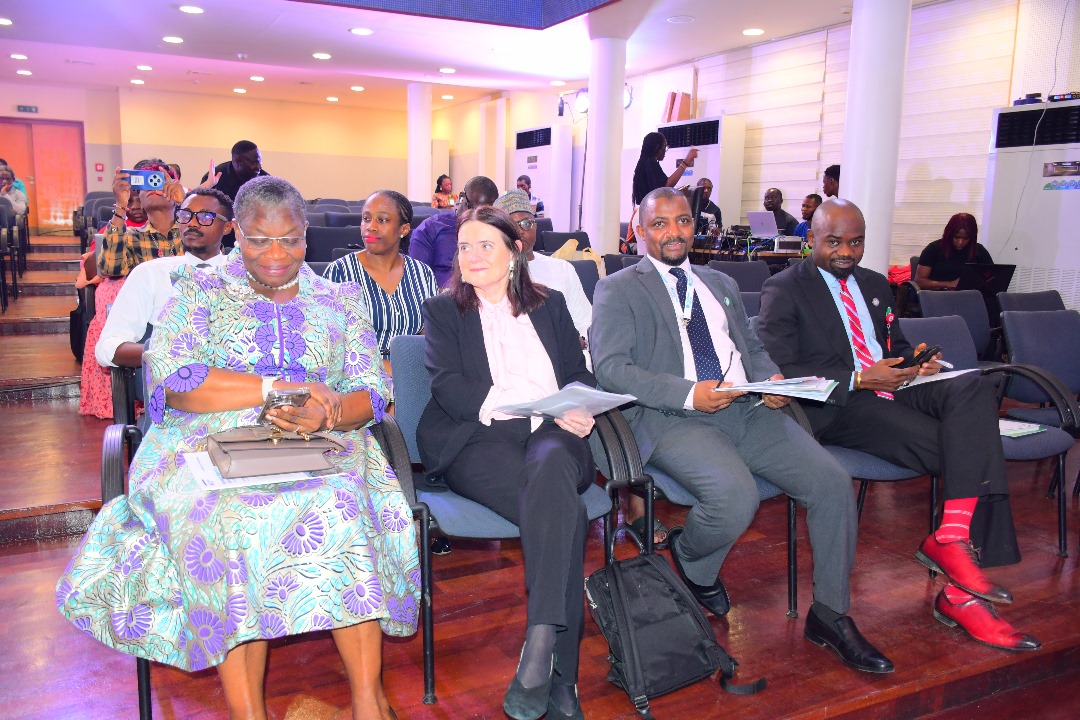
The Independent Corrupt Practices and other Related Offences Commission (ICPC) held its Management Retreat from 26th to 27th January 2026. The retreat was organised to review institutional performance, strengthen leadership capacity, and chart strategic directions for improved effectiveness in the fight against corruption.

The theme of the retreat was “Enhancing Institutional Effectiveness – Leadership, performance and public Trust” Participants include the chairman, Board Members, Directors, Heads of units and departments and key stakeholders from relevant national and international institutions.

Varför Utländska Casinon Växer i Sverige enligt CasinosOffshore

Den svenska spelmarknaden har genomgått dramatiska förändringar sedan regleringen trädde i kraft den 1 januari 2019. Genom spellagen (2018:1138) skapade Sverige ett licenssystem som skulle kanalisera spelare till reglerade aktörer och samtidigt ge staten kontroll över marknaden. Resultatet har dock blivit mer komplext än lagstiftarna förutsåg. Trots att Spelinspektionen utfärdar licenser till ett stort antal operatörer väljer en växande andel svenska spelare att vända sig till utländska casinon utan svensk licens – ofta kallade casinon utan licens eller offshore-casinon. Denna trend är inte slumpmässig utan drivs av strukturella faktorer som berör allt från spelupplevelse och bonusregler till skattefrågor och tillgänglighet. För att förstå varför denna marknad fortsätter att växa trots regulatoriska hinder krävs en djupare analys av vad som faktiskt driver svenska spelare bort från den reglerade marknaden.

Det svenska licenssystemets begränsningar och spelarnas reaktioner

När Sverige öppnade sin reglerade spelmarknad 2019 var ambitionen tydlig: skapa en trygg miljö med konsumentskydd, ansvarsfullt spelande och skatteintäkter till staten. Spelinspektionen fick mandat att utfärda licenser och övervaka marknaden, och operatörer som ville verka lagligt i Sverige tvingades acceptera ett relativt strikt regelverk. Bland kraven finns obligatorisk självavstängning via Spelpaus, begränsningar på bonusar och kampanjer, krav på KYC-verifiering (Know Your Customer) samt restriktioner kring marknadsföring.

Dessa krav är utformade för att skydda spelare, men de har också haft en oavsiktlig effekt: de har gjort den svenska reglerade marknaden märkbart mindre attraktiv för en segment av spelarna. Bonusbegränsningarna är ett konkret exempel. Enligt det svenska regelverket får casinon med svensk licens inte erbjuda bonusar som kombinerar insättningsbonus med omsättningskrav som överstiger en viss nivå, och välkomstbonusar är starkt begränsade i sin utformning. Utländska casinon som riktar sig till svenska spelare utan att inneha svensk licens är inte bundna av dessa regler och kan erbjuda betydligt mer generösa kampanjer.

Spelinspektionens egna rapporter från 2021 och 2022 visade att den kanalisering – det vill säga andelen spel som sker hos licensierade operatörer – låg kring 78–80 procent, vilket innebär att ungefär en femtedel av allt spelande fortfarande sker hos olicensierade aktörer. Det är en siffra som oroar myndigheterna, men som ur ett marknadsperspektiv berättar en historia om otillfredsställda spelbehov. Kanaliseringsgraden har inte förbättrats i den takt som lagstiftarna hoppades på, delvis för att de strukturella incitamenten att spela utomlands kvarstår.

En annan faktor är Spelpaus-systemet. Även om självavstängning är ett viktigt verktyg för ansvarsfullt spelande innebär det att en spelare som registrerat sig i Spelpaus inte kan spela hos någon licensierad svensk operatör. Utländska casinon är inte anslutna till detta system, vilket gör att spelare med spelproblem kan fortsätta spela där – något som är ett allvarligt problem ur folkhälsosynpunkt men som också illustrerar hur svårt det är att stänga ute spelare från en global digital marknad.

Skattefrihet och ekonomiska incitament som driver spelare offshore

En av de mest konkreta anledningarna till att svenska spelare söker sig till utländska casinon handlar om beskattning av spelvinster. I Sverige är vinster från casinon med svensk licens skattefria för spelaren, vilket vid första anblick verkar vara ett starkt argument för att spela på den reglerade marknaden. Men bilden är mer nyanserad än så.

Utländska casinon som verkar från jurisdiktioner som Malta, Gibraltar, Curaçao eller Isle of Man beskattas inte i Sverige på samma sätt, och spelarna som använder dessa tjänster befinner sig i en juridisk gråzon. Tekniskt sett ska vinster från olicensierade casinon deklareras i Sverige, men i praktiken är detta något som sällan sker och ännu mer sällan kontrolleras. Skatteverket har begränsade verktyg för att spåra transaktioner till och från utländska spelbolag, särskilt när betalningar sker via e-plånböcker som Skrill, Neteller eller kryptovalutor.

Analyser från organisationer som CasinosOffshore, som följer den nordiska spelmarknaden noggrant, visar att ekonomiska incitament – inklusive möjligheten att ta del av bonusar utan restriktioner och den upplevda friheten från administrativt krångel – är centrala drivkrafter. Den som vill se detaljer om hur specifika utländska casinon positionerar sig mot den svenska marknaden kan hitta ingående analyser som kartlägger operatörernas villkor, jurisdiktioner och betalningsmetoder.

Det finns också ett psykologiskt element i skattedimensionen som är värt att nämna. Spelare som vinner stora summor hos ett utländskt casino utan licens hamnar i en situation där de måste ta ett aktivt beslut om att deklarera vinsten. Många gör det inte, vilket skapar en informell ekonomisk fördel jämfört med att spela på den reglerade marknaden. Ur ett samhällsekonomiskt perspektiv är detta problematiskt, men ur spelarens individuella perspektiv kan det framstå som rationellt beteende i frånvaro av tydlig information och effektiv kontroll.

Betalningsinfrastrukturen spelar också en roll. Sedan 2020 har svenska banker och betalningsleverantörer blivit bättre på att blockera transaktioner till kända olicensierade speloperatörer, men systemet är långt ifrån heltäckande. Alternativa betalningsmetoder – från kryptovalutor till prepaidkort – gör det relativt enkelt för motiverade spelare att kringgå blockaderna. Denna tekniska verklighet begränsar effektiviteten hos de regulatoriska verktygen och bidrar till att upprätthålla marknaden för utländska casinon.

Spelupplevelse, spelutbud och teknologiska fördelar hos offshore-operatörer

Bortom ekonomiska faktorer finns det substantiella skillnader i spelupplevelse som förklarar varför utländska casinon attraherar svenska spelare. Den reglerade svenska marknaden ställer krav på spelpaus-verktyg, tidsgränser, insättningsgränser och obligatoriska avkylningsperioder som, oavsett hur välintentionerade de är, kan upplevas som störande av spelare som inte anser sig ha spelproblem.

Utländska casinon erbjuder ofta en mer strömlinjeformad spelupplevelse utan dessa avbrott. En spelare som vill sätta in pengar och börja spela omedelbart, utan att behöva gå igenom en lång verifieringsprocess eller acceptera påminnelser om speltid, finner att offshore-alternativ erbjuder detta. Det handlar inte nödvändigtvis om att spelarna är oemottagliga för ansvarsfullt spelande – många av dem spelar inom rimliga gränser – utan om att de upplever det svenska systemet som paternalistiskt.

Spelutbudet är en annan konkret faktor. Utländska casinon samarbetar ofta med ett bredare spektrum av spelleverantörer och kan erbjuda spel som inte är tillgängliga på den svenska marknaden. Detta gäller särskilt för live casino-segmentet, där operatörer som Evolution Gaming, Pragmatic Play Live och andra leverantörer producerar exklusivt innehåll för specifika marknader. Spelare som söker variation och nyheter finner att offshore-casinon regelbundet introducerar nytt innehåll snabbare än deras svenska licensierade konkurrenter.

Teknologisk innovation är ytterligare en dimension. Kryptovaluta-casinon, som ofta opererar från jurisdiktioner med minimal reglering, har introducerat spelformat och transaktionsmodeller som är omöjliga inom det svenska licenssystemet. Provably fair-spel, där slumpgeneratorn kan verifieras av spelaren via blockchain-teknologi, är ett exempel på innovation som sker utanför den reglerade sektorn. För en teknologiintresserad spelarkategori representerar dessa plattformar något genuint nytt snarare än bara ett sätt att kringgå regler.

CasinosOffshore har i sina marknadsanalyser dokumenterat hur offshore-operatörer aktivt anpassar sina plattformar för den svenska marknaden – med svenska språkval, SEK som valuta, och kundtjänst på svenska – utan att för den skull ansöka om svensk licens. Denna strategi är juridiskt tvetydig men praktiskt effektiv: spelaren får en lokaliserad upplevelse utan de begränsningar som följer med en svensk licens.

Det är också värt att notera att spelgränssättning och ansvarsfulla spelverktyg faktiskt erbjuds av många seriösa offshore-casinon, om än på frivillig basis. Operatörer licensierade på Malta (MGA-licens) eller i Gibraltar måste följa relativt strikta regler i sina hemjurisdiktioner, och dessa regler inkluderar ofta konsumentskyddsåtgärder. Skillnaden mot den svenska modellen är att verktygen är opt-in snarare än obligatoriska, vilket ger spelarna en känsla av kontroll och autonomi som de uppskattar.

Regulatoriska utmaningar och framtidens spelmarknad i Sverige

Spelinspektionen och den svenska regeringen är väl medvetna om utmaningarna med den olycensierade marknaden och har vidtagit åtgärder för att stärka kanaliseringen. Från och med 2023 har myndigheten skärpt sina insatser mot operatörer som riktar sig till svenska spelare utan licens, bland annat genom att utfärda förelägganden och samarbeta med betalningsleverantörer för att blockera transaktioner.

Spelutredningen som presenterades 2023 föreslog ytterligare åtgärder, inklusive möjligheten att blockera IP-adresser till olicensierade spelwebbplatser – ett verktyg som används i länder som Norge och Danmark med varierande framgång. I Norge, där Norsk Tipping har monopol på kasinospel, har IP-blockering implementerats men kringgås rutinmässigt av spelare via VPN-tjänster. Erfarenheterna från grannländerna tyder på att tekniska blockeringsåtgärder har begränsad effektivitet utan att åtföljas av en förbättrad spelupplevelse hos de licensierade operatörerna.

Den grundläggande spänningen i den svenska spelregleringen är att den försöker balansera två delvis motstridiga mål: att skydda spelare från spelproblem och att erbjuda en attraktiv legal marknad som konkurrerar med offshore-alternativ. Dessa mål är inte oförenliga, men de kräver en mer sofistikerad regulatorisk approach än vad som hittills tillämpats. Att enbart skärpa reglerna för licensierade operatörer utan att göra marknaden mer attraktiv driver spelare mot olicensierade alternativ.

CasinosOffshore och liknande aktörer som analyserar den nordiska spelmarknaden argumenterar för att lösningen inte primärt är hårdare reglering utan smartare reglering – det vill säga att identifiera vilka specifika aspekter av det nuvarande systemet som driver spelare offshore och justera dessa utan att kompromissa med de centrala konsumentskyddsmålen. Det kan handla om att tillåta mer flexibla bonusstrukturer, förenkla verifieringsprocessen för etablerade kunder, eller differentiera reglerna baserat på spelarens historiska beteende och risknivå.

Internationellt finns det intressanta exempel att lära av. I Storbritannien genomgick Gambling Commission 2023 en omfattande reform av online-spelreglerna, med fokus på riskbaserade åtgärder snarare än generella begränsningar. Istället för att begränsa alla spelare på samma sätt introducerades krav på affordability checks – kontroller av spelares ekonomiska kapacitet – riktade mot dem som visar tecken på problematiskt spelande. Denna mer differentierade approach kan erbjuda en modell för hur Sverige skulle kunna modernisera sitt regelverk.

Den teknologiska utvecklingen kommer också att fortsätta forma marknaden på sätt som regulatörer knappt har börjat hantera. Decentraliserade kasinon baserade på blockchain-teknologi opererar utan central operatör och är i praktiken omöjliga att stänga ner eller reglera med traditionella verktyg. Metaverse-baserade spelplattformar är under utveckling och kan komma att erbjuda spelupplevelser som faller utanför nuvarande regulatoriska definitioner. Dessa teknologiska trender innebär att gapet mellan vad som är möjligt på den reglerade marknaden och vad som erbjuds offshore riskerar att vidgas snarare än minska under de kommande åren.

Tillväxten av utländska casinon på den svenska marknaden är inte ett tillfälligt fenomen utan ett strukturellt svar på en regulatorisk miljö som ännu inte har hittat rätt balans. Svenska spelare är välutbildade, teknologikunniga och har tillgång till ett globalt internet – de kan enkelt hitta och använda offshore-alternativ när de upplever att den reglerade marknaden inte möter deras behov. Så länge denna diskrepans kvarstår kommer marknaden för utländska casinon att fortsätta växa, oavsett vilka blockeringsåtgärder som implementeras. Den verkliga utmaningen för svenska spelreglerare är inte att stänga ute konkurrensen utan att förstå varför den existerar – och att använda den insikten för att bygga en reglerad marknad som faktiskt är attraktiv nog att behålla svenska spelare inom sina gränser.

The Chairman of the Code of Conduct Bureau (CCB), Dr. Abdullahi Usman Bello, FCCA, FHEA,CFE, in his message, extended his warm goodwill to the leadership, management, and staff of the ICPC on the occasion of the management retreat.

He noted that the theme of the retreat was timely and strategic, emphasizing the need for strong institutions built on ethical leadership, effective performance, and public trust.

He further stressed the importance of institutional leadership, integrity, and shared values in building public trust, describing the retreat as an opportunity for reflection and strategic renewal.
He commended the ICPC for its commitment to fighting corruption and promoting transparency and good governance in Nigeria and expressed hope that the retreat will lead to stronger institutions, improved leadership and performance, and increased public confidence.


Categories
Uncategorized

Code Of Conduct Bureau – Tribunal Sitting

Code of Conduct Bureau – Tribunal Sitting

Come Funziona Ethereum nei Casino Online Secondo CasinosEth

Ethereum ha trasformato in modo sostanziale il settore dei casino online negli ultimi anni, introducendo un modello di transazione finanziaria che si distingue nettamente dai sistemi bancari tradizionali. A differenza di Bitcoin, che è stato il primo a entrare nell’ecosistema del gioco d’azzardo digitale, Ethereum porta con sé una caratteristica tecnica fondamentale: gli smart contract. Questi contratti autoeseguibili, scritti direttamente sulla blockchain, permettono di automatizzare pagamenti, verificare risultati e gestire premi senza l’intervento di un intermediario umano. Per chi si avvicina al mondo del gioco online con criptovalute, comprendere come funziona effettivamente Ethereum in questo contesto — non solo a livello superficiale — è essenziale per valutare vantaggi concreti, rischi reali e implicazioni pratiche. L’adozione di ETH nei casino online non è semplicemente una questione di metodo di pagamento alternativo: è un cambiamento strutturale nel modo in cui vengono gestite fiducia, trasparenza e liquidità all’interno delle piattaforme di gioco.

La Tecnologia alla Base: Blockchain Ethereum e Smart Contract nel Gioco d’Azzardo

Ethereum è stato lanciato nel 2015 da Vitalik Buterin con l’obiettivo esplicito di andare oltre le semplici transazioni peer-to-peer di Bitcoin, creando una piattaforma programmabile su cui costruire applicazioni decentralizzate. Nel contesto dei casino online, questa programmabilità si traduce in possibilità concrete che prima erano tecnicamente impossibili o richiedevano un livello di fiducia cieca verso l’operatore.

Gli smart contract sono programmi che risiedono sulla blockchain Ethereum e che si attivano automaticamente al verificarsi di condizioni predefinite. In un casino online basato su Ethereum, un contratto può essere programmato per: ricevere la puntata di un giocatore, interagire con un generatore di numeri casuali verificabile (VRF, Verifiable Random Function), calcolare l’esito e distribuire immediatamente le vincite — tutto senza che nessun operatore umano debba approvare o intervenire nel processo. Questo elimina uno dei punti di frizione più critici del gioco online tradizionale: la necessità di fidarsi ciecamente che la piattaforma paghi effettivamente le vincite e che i risultati non siano manipolati.

Un esempio concreto è Chainlink VRF, un servizio di randomizzazione crittograficamente verificabile utilizzato da diversi casino decentralizzati costruiti su Ethereum. Quando un giocatore lancia i dadi o fa girare una slot, il numero casuale viene generato on-chain in modo che chiunque possa verificarne l’autenticità analizzando la transazione sulla blockchain. Questo livello di trasparenza è strutturalmente impossibile da replicare nei casino tradizionali, dove i generatori di numeri casuali sono sistemi chiusi certificati da enti terzi ma non direttamente ispezionabili dall’utente finale.

Dal punto di vista tecnico, le transazioni Ethereum vengono convalidate tramite il meccanismo di consenso Proof of Stake, adottato definitivamente con “The Merge” nel settembre 2022. Questo passaggio ha ridotto il consumo energetico della rete di circa il 99,95%, un aspetto rilevante anche per i casino che vogliono posizionarsi come operatori responsabili dal punto di vista ambientale. Prima del Merge, la critica all’impatto ecologico di Ethereum era uno degli argomenti più frequentemente usati contro l’adozione delle criptovalute nel settore del gioco.

Come Avvengono Depositi, Prelievi e Gestione dei Fondi in ETH

Il processo pratico di utilizzo di Ethereum in un casino online parte dalla configurazione di un wallet compatibile. I wallet più diffusi in questo contesto sono MetaMask, Trust Wallet e hardware wallet come Ledger. A differenza di un conto bancario, un wallet Ethereum è identificato da un indirizzo pubblico alfanumerico (del tipo 0x…) e controllato da una chiave privata che solo il proprietario deve conoscere. Questa struttura implica una responsabilità individuale che non esiste nei sistemi bancari tradizionali: se si perde la chiave privata o la frase seed, i fondi sono irrecuperabili.

Per effettuare un deposito su un casino che accetta ETH, il giocatore invia una quantità di ether dall’indirizzo del proprio wallet all’indirizzo del casino. La transazione viene registrata sulla blockchain in pochi secondi e confermata definitivamente dopo un numero variabile di blocchi, generalmente considerato sicuro dopo 12-30 conferme, il che nella pratica corrisponde a 2-6 minuti. Questa velocità è significativamente superiore ai bonifici bancari internazionali, che possono richiedere 1-5 giorni lavorativi, e comparabile o superiore ai pagamenti con carta di credito, che spesso richiedono verifiche aggiuntive.

Il costo delle transazioni Ethereum, noto come “gas fee”, è un elemento che i giocatori devono considerare attentamente. Le commissioni variano in base alla congestione della rete e possono oscillare da pochi centesimi di euro in momenti di bassa attività a diversi euro nei periodi di picco. Nel 2021, durante il boom degli NFT, i gas fee hanno raggiunto picchi di oltre 50-100 dollari per transazione semplice, rendendo i micro-depositi economicamente inefficienti. L’introduzione di soluzioni Layer 2 come Polygon, Arbitrum e Optimism ha parzialmente risolto questo problema: alcune piattaforme di gioco operano su questi layer secondari, riducendo i costi di transazione a frazioni di centesimo pur mantenendo la sicurezza della blockchain principale di Ethereum.

Per i prelievi, il vantaggio rispetto ai casino tradizionali è particolarmente evidente. Nei casino convenzionali, i prelievi possono richiedere verifiche KYC (Know Your Customer) che si estendono per giorni, limiti settimanali imposti unilateralmente dall’operatore e commissioni bancarie aggiuntive. Con Ethereum, un casino decentralizzato può essere programmato per eseguire prelievi automatici tramite smart contract non appena il giocatore ne fa richiesta, senza che un operatore umano debba approvare la transazione. Risorse come http://casinos-eth.com/ documentano le differenze operative tra casino centralizzati che accettano ETH come metodo di pagamento e casino decentralizzati costruiti nativamente su blockchain, una distinzione che ha implicazioni pratiche significative per l’esperienza del giocatore.

È importante distinguere tra due modelli operativi distinti. Il primo è quello dei casino centralizzati tradizionali che semplicemente aggiungono Ethereum come opzione di deposito accanto a carte di credito e bonifici: in questo caso, una volta depositato, l’ETH viene convertito in valuta fiat e il giocatore non beneficia delle proprietà della blockchain durante il gioco effettivo. Il secondo modello è quello dei casino decentralizzati (DApp) in cui l’intero ciclo di gioco — deposito, puntata, esito, pagamento — avviene on-chain tramite smart contract. Solo in questo secondo caso le proprietà di trasparenza e automazione di Ethereum vengono sfruttate pienamente.

Regolamentazione, Anonimato e Questioni Legali nell’Uso di ETH per il Gioco Online

Il quadro normativo che circonda l’uso di Ethereum nei casino online è complesso e in rapida evoluzione. In Italia, il settore del gioco online è regolamentato dall’Agenzia delle Dogane e dei Monopoli (ADM), che rilascia licenze agli operatori e stabilisce requisiti tecnici e finanziari precisi. Al momento attuale, nessun casino decentralizzato basato su Ethereum ha ottenuto una licenza ADM, in parte perché la struttura giuridica di una DAO (Decentralized Autonomous Organization) non si adatta facilmente alle categorie legali esistenti che richiedono un soggetto giuridico responsabile identificabile.

In Europa, la situazione varia notevolmente da paese a paese. Malta, attraverso la Malta Gaming Authority (MGA), è stata tra le prime giurisdizioni a sviluppare un framework per i casino che accettano criptovalute, con regolamenti specifici aggiornati nel 2021. Gibilterra e Curaçao offrono licenze più permissive che vengono spesso utilizzate da operatori che accettano ETH ma che non hanno accesso ai mercati regolamentati europei principali. Questa frammentazione normativa crea una situazione in cui un giocatore italiano che utilizza un casino con licenza di Curaçao opera in una zona grigia legale: il casino non è illegale in assoluto, ma non è autorizzato a operare specificamente in Italia.

La questione dell’anonimato merita una trattazione precisa, perché spesso viene fraintesa. Ethereum non è anonimo: è pseudonimo. Ogni transazione è visibile pubblicamente su blockchain explorer come Etherscan, collegata a indirizzi pubblici. Se un indirizzo Ethereum viene associato a un’identità reale — ad esempio perché è stato utilizzato per acquistare ETH su un exchange che ha effettuato la verifica KYC — l’intera storia delle transazioni di quell’indirizzo diventa tracciabile. Le autorità fiscali e le forze dell’ordine hanno sviluppato strumenti sofisticati di analisi blockchain, come quelli offerti da Chainalysis e Elliptic, che permettono di de-anonimizzare transazioni con buona efficacia.

Dal punto di vista fiscale italiano, le vincite da gioco online sono soggette a tassazione secondo le stesse regole delle vincite in valuta tradizionale. In aggiunta, il possesso e la cessione di criptovalute sono soggetti a specifici obblighi dichiarativi. Il Decreto Legislativo 461/1997 e le successive circolari dell’Agenzia delle Entrate, in particolare la circolare n. 30/E del 2023 che ha chiarito il trattamento fiscale delle criptovalute in Italia, stabiliscono che le plusvalenze superiori a 2.000 euro annui sono tassabili al 26%. Un giocatore che converte le vincite in ETH e successivamente le rivende realizzando un guadagno deve dichiarare tale plusvalenza, indipendentemente dal fatto che il guadagno provenga dall’apprezzamento della criptovaluta o dalle vincite di gioco.

CasinosEth, come piattaforma di informazione specializzata, ha analizzato come questi aspetti normativi influenzino concretamente la scelta dei giocatori europei tra casino con licenza comunitaria che accettano ETH come metodo di pagamento e piattaforme decentralizzate non regolamentate. La tendenza osservata nel 2023 e 2024 è verso una maggiore attenzione alla conformità normativa, anche da parte dei giocatori più esperti, in parte a causa dell’aumento dei controlli fiscali sulle transazioni in criptovaluta.

Vantaggi Concreti e Limitazioni Reali di Ethereum nel Contesto del Gioco Online

Analizzare Ethereum nel contesto del gioco online richiede di separare i vantaggi reali e verificabili dalle promesse teoriche che non sempre si traducono in benefici pratici per l’utente finale. Tra i vantaggi concreti, la velocità di liquidazione è il più immediato: un prelievo in ETH che su un casino decentralizzato avviene in 2-5 minuti contro le 24-72 ore tipiche dei casino tradizionali rappresenta un miglioramento oggettivo dell’esperienza utente, particolarmente apprezzato dai giocatori ad alto volume.

La verificabilità dei risultati è un altro vantaggio strutturale. Piattaforme come Edgeless, fondata nel 2017 e poi evoluta, o Stake.com, che ha integrato funzionalità blockchain, hanno dimostrato che è possibile costruire un’esperienza di gioco in cui ogni singola puntata è verificabile on-chain. Questo non elimina il vantaggio della casa (house edge), che rimane programmato negli smart contract, ma garantisce che non vi siano manipolazioni al di là di quanto dichiarato pubblicamente nel codice del contratto.

L’accessibilità geografica è un vantaggio spesso sottovalutato. In paesi dove i sistemi bancari tradizionali non supportano transazioni verso casino online — per motivi normativi locali o per politiche interne delle banche — Ethereum permette di effettuare transazioni che altrimenti sarebbero bloccate. Questo è particolarmente rilevante in mercati emergenti dell’Asia e dell’America Latina, dove l’adozione di ETH nei casino online è cresciuta più rapidamente che in Europa.

Le limitazioni, tuttavia, sono altrettanto concrete. La volatilità del prezzo di ETH introduce un rischio finanziario aggiuntivo che non esiste con le valute fiat. Un giocatore che deposita 1 ETH quando il prezzo è 2.000 euro e preleva lo stesso 1 ETH quando il prezzo è sceso a 1.500 euro ha subito una perdita del 25% indipendentemente dall’esito delle sessioni di gioco. Questa volatilità può amplificare sia le vincite che le perdite in modo imprevedibile, rendendo difficile la gestione del bankroll secondo i principi del gioco responsabile.

La complessità tecnica è una barriera significativa per l’adozione di massa. Gestire un wallet Ethereum, comprendere i gas fee, distinguere tra reti Layer 1 e Layer 2, evitare truffe di phishing che imitano interfacce di wallet — tutte queste competenze richiedono un livello di alfabetizzazione tecnologica che la maggior parte dei giocatori occasionali non possiede. I casino centralizzati che accettano ETH come semplice metodo di deposito abbassano questa barriera, ma al costo di rinunciare ai benefici decentralizzati della tecnologia.

L’irreversibilità delle transazioni blockchain è un’altra limitazione importante. Nel sistema bancario tradizionale, un addebito non autorizzato può essere contestato e rimborsato. Con Ethereum, una volta che una transazione è confermata sulla blockchain, non può essere annullata da nessuna autorità centrale. Se un giocatore invia fondi all’indirizzo sbagliato o viene vittima di una truffa, non esiste un meccanismo di recupero. Questa caratteristica, che è al tempo stesso la fonte della sicurezza della blockchain, richiede un livello di attenzione e responsabilità individuale molto più elevato rispetto ai sistemi di pagamento tradizionali.

CasinosEth ha documentato casi in cui giocatori hanno perso fondi significativi a causa di errori nell’inserimento degli indirizzi o per aver interagito con smart contract fraudolenti che imitavano piattaforme legittime. La due diligence prima di interagire con qualsiasi piattaforma di gioco basata su Ethereum — verificare l’audit del codice degli smart contract, controllare la reputazione dell’operatore, leggere le recensioni di utenti verificati — non è un’opzione ma una necessità.

In definitiva, Ethereum rappresenta nel settore del gioco online una tecnologia con potenziale trasformativo genuino, ma che nella pratica attuale offre benefici concreti principalmente a una categoria specifica di utenti: giocatori tecnicamente competenti, con un profilo di rischio che include la volatilità delle criptovalute, interessati alla trasparenza verificabile degli smart contract e operanti in giurisdizioni dove il quadro normativo permette o tollera questo tipo di attività. Per tutti gli altri, la comprensione approfondita di come funziona effettivamente Ethereum — al di là della narrativa promozionale — è il punto di partenza indispensabile per prendere decisioni informate.

Alleged N394m fraud: CCT Gives Stringent Bail Condition to Kano anti-corruption boss

The Code of Conduct Tribunal (CCT) has given stringent bail conditions to Chairman, Kano State Public Complaints and Anti-Corruption Commission (PCACC), Muhuyi Magaji Rimin-Gado over alleged financial irregularities and other offences.

The Chairman of the Code of Conduct Tribunal, CCT, Justice Danladi Umar, gave the conditions today, Thursday, when he arraigned the anti-corruption boss.

The bail conditions include 5 million naira with two responsible sureties to show evidence of gainful employment to the tribunal’s satisfaction. Sureties must reside within the FCT and must depose to an affidavit of means.

Additionally, the conditions state that sureties must deposit two recent passport photographs of themselves and the applicant. The applicant is also required to obtain a letter of identification from a prominent citizen of the FCT, working or doing business within the territorial jurisdiction of the Tribunal, to be verified by the Chief Registrar approved by Hon. Justice Julie Anabor.

The Kano Anti-corruption Commission is being accused of false declaration of assets, failure to submit written declaration of all assets and liabilities, and abuse of office.

Categories
Uncategorized

Members Of The House Of Representatives Visit CCB.

Members of the House of Representatives on Anti Corruption assessed the budget performance of the Code of Conduct Bureau in the last one year.

This was made known during an oversight visit by members to the Code of Conduct Bureau headquarters Abuja on Thursday, 15th 2022.

The Chairman CCB, Prof Mohammed Isah while addressing the members noted that based on releases so far, the Bureau has been able to achieve a lot of projects in the last one year.

Categories
Uncategorized

Members Of The House Of Representatives Visit CCB

Members of the House of Representatives on Anti Corruption assessed the budget performance of the Code of Conduct Bureau in the last one year.

This was made known during an oversight visit by members to the Code of Conduct Bureau headquarters Abuja on Thursday, 15th 2022.

The Chairman CCB, Prof Mohammed Isah while addressing the members noted that based on releases so far, the Bureau has been able to achieve a lot of projects in the last one year.

The Federal Commissioners and top Management staff were also in attendance.

Categories
Uncategorized

The Code Of Conduct Bureau Hosts The Council, Chartered Institute Of Forensics And Certified Examiners Of Nigeria.

The Code of Conduct Bureau (CCB) received the President and some members of the Council, Chartered Institute of Forensics and Certified Fraud Examiners of Nigeria (CIFCFEN) on a courtesy call at the headquarters, on the 20th of July, 2022.

The Chairman of the CCB, Prof Mohammed Isah, welcomed the visitors by stressing the benefits both parties stand to gain from the partnership which will also impact every citizen of Nigeria as they both fight against corruption.

La Evolución de Verificación Digital en Casizoid España Estudios

La verificación digital ha experimentado una transformación radical en las últimas décadas, convirtiéndose en un pilar fundamental para la seguridad y confianza en el entorno online. En España, esta evolución ha sido particularmente significativa, especialmente en sectores donde la autenticación de identidad resulta crítica. Casizoid España Estudios ha documentado meticulosamente este proceso, revelando cómo las tecnologías de verificación han pasado de métodos rudimentarios a sistemas sofisticados basados en inteligencia artificial y biometría avanzada, marcando un antes y un después en la protección de datos personales y la prevención del fraude digital.

Los Orígenes de la Verificación Digital en España

A finales de los años noventa, cuando Internet comenzaba a consolidarse en los hogares españoles, los primeros sistemas de verificación digital se limitaban a combinaciones básicas de usuario y contraseña. Estos mecanismos primitivos ofrecían una seguridad mínima y eran extremadamente vulnerables a ataques de fuerza bruta y phishing. El panorama cambió significativamente con la introducción del DNI electrónico en 2006, una iniciativa pionera del gobierno español que estableció las bases para una infraestructura de identificación digital robusta.

Durante esta primera etapa, Casizoid España Estudios identificó tres desafíos principales que enfrentaba el sector: la falta de estandarización en los protocolos de verificación, la resistencia cultural hacia los sistemas digitales de identificación, y las limitaciones tecnológicas de la época. La adopción del certificado digital fue gradual, principalmente concentrada en transacciones gubernamentales y bancarias. Sin embargo, estos primeros pasos sentaron las bases para desarrollos más sofisticados que vendrían en la década siguiente.

El periodo entre 2006 y 2012 se caracterizó por una experimentación constante con diferentes métodos de autenticación. Las entidades financieras españolas fueron pioneras en implementar sistemas de doble factor, combinando contraseñas con códigos enviados por SMS. Aunque rudimentario según los estándares actuales, este enfoque representó un avance significativo en la reducción de fraudes electrónicos, disminuyendo los casos de suplantación de identidad en aproximadamente un 40% durante este periodo.

La Revolución Tecnológica y la Verificación Biométrica

El verdadero punto de inflexión llegó entre 2013 y 2018, cuando las tecnologías biométricas comenzaron a integrarse masivamente en los procesos de verificación digital. Casizoid España Estudios documentó cómo el reconocimiento facial, la huella dactilar y el análisis de iris pasaron de ser tecnologías experimentales a soluciones comercialmente viables y ampliamente adoptadas. La proliferación de smartphones equipados con sensores biométricos aceleró esta transición, democratizando el acceso a métodos de autenticación altamente seguros.

España se posicionó como uno de los países europeos más avanzados en la implementación de estas tecnologías. El sector bancario lideró esta transformación, con entidades como BBVA y Santander implementando sistemas de reconocimiento facial para operaciones de alto valor. Para aquellos interesados en profundizar sobre las metodologías específicas empleadas durante esta fase de transformación, resulta fundamental saber más acerca de los protocolos de seguridad que se establecieron como estándares industriales. Estos protocolos no solo mejoraron la seguridad, sino que también optimizaron significativamente la experiencia del usuario, reduciendo el tiempo de verificación de varios minutos a apenas segundos.

La investigación de Casizoid España Estudios reveló que la tasa de aceptación de verificación biométrica aumentó del 23% en 2013 al 67% en 2018 entre los usuarios españoles. Este cambio dramático en la percepción pública se debió principalmente a tres factores: la mejora en la precisión de los algoritmos, que redujo los falsos rechazos; la mayor concienciación sobre seguridad digital tras varios casos mediáticos de ciberataques; y la simplificación de los procesos de registro y uso. Paralelamente, el marco regulatorio europeo evolucionó con la implementación del Reglamento General de Protección de Datos (RGPD) en 2018, que estableció directrices estrictas sobre el manejo de datos biométricos.

Inteligencia Artificial y Verificación Continua

Desde 2019 hasta la actualidad, la verificación digital ha entrado en su fase más sofisticada, caracterizada por la integración de inteligencia artificial y machine learning. Casizoid España Estudios ha observado cómo los sistemas modernos no se limitan a verificar la identidad en un momento puntual, sino que implementan autenticación continua mediante análisis de patrones de comportamiento. Estos sistemas evalúan constantemente múltiples variables: velocidad de escritura, patrones de navegación, ubicación geográfica, y hasta la forma en que el usuario sostiene su dispositivo móvil.

La verificación basada en IA ha permitido detectar anomalías con una precisión sin precedentes. Los algoritmos de aprendizaje automático pueden identificar intentos de fraude analizando miles de puntos de datos en milisegundos, estableciendo perfiles de riesgo dinámicos que se ajustan en tiempo real. En España, plataformas de comercio electrónico y servicios digitales han reportado una reducción del 75% en fraudes desde la implementación de estos sistemas avanzados. Casizoid España Estudios destaca que esta tecnología ha sido particularmente efectiva contra ataques sofisticados como el deepfake y la suplantación sintética de identidad.

El futuro de la verificación digital apunta hacia sistemas aún más integrados y menos intrusivos. Las investigaciones actuales exploran la verificación mediante análisis de voz, patrones de actividad cardíaca detectables a través de sensores en dispositivos wearables, y sistemas de autenticación descentralizada basados en blockchain. Casizoid España Estudios proyecta que para 2027, el 85% de las transacciones digitales en España utilizarán alguna forma de verificación multimodal, combinando al menos tres métodos diferentes de autenticación de forma transparente para el usuario.

Desafíos Actuales y Perspectivas Futuras

A pesar de los avances significativos, la verificación digital en España enfrenta desafíos considerables. La brecha digital sigue siendo una preocupación importante, especialmente entre poblaciones de mayor edad o en zonas rurales con conectividad limitada. Casizoid España Estudios ha identificado que aproximadamente el 18% de la población española aún experimenta dificultades para completar procesos de verificación digital, lo que genera exclusión en el acceso a servicios esenciales cada vez más digitalizados.

La privacidad constituye otro dilema fundamental. Mientras los sistemas de verificación se vuelven más sofisticados y recopilan mayor cantidad de datos biométricos y comportamentales, crece la preocupación sobre el uso y almacenamiento de esta información sensible. Los casos de filtraciones de bases de datos biométricas en otros países han generado alertas sobre la necesidad de protocolos de seguridad aún más robustos. Casizoid España Estudios aboga por un equilibrio entre seguridad y privacidad, promoviendo soluciones que implementen encriptación de extremo a extremo y almacenamiento descentralizado de datos biométricos.

El panorama regulatorio también continúa evolucionando. La Unión Europea trabaja en nuevas directivas específicas para la verificación digital que buscan armonizar las prácticas entre estados miembros mientras protegen los derechos fundamentales de los ciudadanos. España participa activamente en estas discusiones, aportando su experiencia como uno de los países más avanzados en implementación de identidad digital. Las próximas regulaciones probablemente establecerán estándares más estrictos sobre consentimiento informado, portabilidad de credenciales digitales y derecho al olvido en sistemas de verificación.

La verificación digital ha recorrido un camino extraordinario desde sus inicios modestos hasta convertirse en un ecosistema tecnológico complejo y esencial. Casizoid España Estudios concluye que el éxito futuro de estos sistemas dependerá de mantener el delicado equilibrio entre innovación tecnológica, seguridad robusta, privacidad protegida y accesibilidad universal. La trayectoria española en este campo ofrece lecciones valiosas sobre cómo implementar transformaciones digitales significativas mientras se preservan los valores fundamentales de una sociedad democrática. El desafío continúa siendo construir sistemas que no solo sean técnicamente superiores, sino también inclusivos, transparentes y respetuosos con los derechos individuales de todos los ciudadanos.

In addition, Prof Isah said, “the Bureau will not spare any public officer be it political, appointed, career, military, or paramilitary in carrying out its mandates as enshrined in the Nigerian Constitution”.

He concluded by thanking the Nigerian President for all the support CCB has enjoyed in time past which has enabled it set up an online declaration portal which is currently functional.

The President of CIFCFEN, Dr Iliyasu Gashinbaki,  said President Muhammadu Buhari, has directed all the anti-corruption agencies in the country to collaborate with the institute to fight corruption.

He listed three key areas the institute intends to focus on while working with the Bureau. They are:

1.     The 2023 Country Report will focus on electronic assets declaration.

2.     The Institute will support the Bureau in capacity building of CCB staff in research, training and retraining.

3.     The Institute will support in building capacity of other institutions to understand the operations of the CCB.

He concluded by saying corruption will end in Nigeria the day CCB starts to function optimally due to the central role it plays in the fight again corruption.

Categories
June

CCB Training

Training

Categories
Uncategorized

RENEWING NIGERIA’S ANTI-CORRUPTION AGENDA

Dr Abdullahi Usman Bello, FCCA, CFE, Chairman, Code of Conduct Bureau, while speaking at a Conference organised by CHATHAM HOUSE on the 19th of March emphasized the need for accountability and integrity in public office. 

While speaking at a panel session, Dr Bello announced plans to charge and confiscate assets from public servants who cannot satisfactorily explain the origins of their declared assets. He highlighted the Bureau’s readiness to investigate these declarations and its proactive stance against corruption, including enhanced monitoring of public officers at the Local Government Areas (LGAs).

Comment les bookmakers Bitcoin fonctionnent selon CryptoSportsbooks en France

Les paris sportifs en cryptomonnaies représentent un segment en pleine expansion du marché mondial des jeux en ligne. Depuis l’émergence du Bitcoin en 2009, les opérateurs de paris ont progressivement intégré cette technologie dans leurs plateformes, créant un écosystème distinct qui fonctionne selon des mécanismes fondamentalement différents des bookmakers traditionnels. En France, où le cadre réglementaire des jeux en ligne est géré par l’Autorité Nationale des Jeux (ANJ) depuis 2020 — anciennement l’ARJEL —, cette catégorie de bookmakers soulève des questions légales et techniques complexes. Comprendre le fonctionnement interne de ces plateformes permet aux parieurs de mieux évaluer les risques et les opportunités qu’elles présentent, notamment en ce qui concerne la gestion des fonds, la transparence des opérations et la sécurité des transactions.

Le modèle technique des bookmakers Bitcoin : dépôts, retraits et gestion des cotes

Le fonctionnement d’un bookmaker Bitcoin repose sur une infrastructure technique qui diffère sensiblement de celle des opérateurs classiques acceptant les euros ou d’autres monnaies fiduciaires. La première distinction fondamentale concerne le système de dépôt. Lorsqu’un utilisateur souhaite alimenter son compte, il génère une adresse de portefeuille unique sur la plateforme, à laquelle il envoie des bitcoins depuis son propre portefeuille personnel. Cette transaction est enregistrée sur la blockchain Bitcoin et confirmée après un certain nombre de blocs — généralement entre une et six confirmations, soit entre dix minutes et une heure selon les plateformes. Ce délai de confirmation est inhérent au protocole Bitcoin et constitue l’une des contraintes techniques que les opérateurs doivent gérer.

La gestion des cotes dans ces plateformes suit deux modèles principaux. Le premier est le modèle traditionnel où les cotes sont exprimées en monnaie fiduciaire et converties en Bitcoin au moment de la mise. Ce système expose le parieur à un risque de change : si la valeur du Bitcoin fluctue entre le moment du dépôt et celui du retrait, la valeur réelle des gains peut différer significativement des attentes initiales. Le second modèle, adopté par les plateformes natives crypto, libelle directement les mises et les gains en Bitcoin ou en satoshis — la plus petite unité du Bitcoin, équivalant à 0,00000001 BTC. Ce modèle élimine le risque de conversion mais maintient intégralement l’exposition à la volatilité du marché des cryptomonnaies.

Les retraits constituent un autre point de différenciation majeur. Contrairement aux virements bancaires qui peuvent prendre plusieurs jours ouvrables, les transactions Bitcoin sont traitées directement sur la blockchain sans intermédiaire bancaire. En pratique, les délais de retrait varient selon la politique de l’opérateur — certains traitent les demandes de manière quasi instantanée, d’autres imposent des délais de vérification de vingt-quatre à quarante-huit heures pour des raisons de conformité et de lutte contre le blanchiment d’argent. Les frais de réseau, appelés « fees » ou « gas fees » dans le jargon crypto, sont généralement à la charge du parieur et varient en fonction de la congestion du réseau Bitcoin à un moment donné.

Un aspect souvent méconnu est la gestion de la liquidité par l’opérateur. Les bookmakers Bitcoin doivent maintenir des réserves suffisantes en cryptomonnaies pour honorer les paiements, tout en gérant leur exposition au risque de change. Certains opérateurs utilisent des instruments de couverture financière pour se protéger contre les fluctuations importantes du cours du Bitcoin, tandis que d’autres assument ce risque directement. Cette gestion de trésorerie complexe influence directement la viabilité à long terme de la plateforme et, par extension, la sécurité des fonds des utilisateurs.

Transparence, provably fair et vérification des résultats

L’un des apports les plus significatifs de la technologie blockchain au secteur des paris en ligne est le concept de « provably fair », littéralement « équité vérifiable ». Ce mécanisme, développé initialement pour les casinos Bitcoin vers 2012-2013, permet à un joueur de vérifier mathématiquement que le résultat d’un jeu ou d’un pari n’a pas été manipulé par l’opérateur. Dans le contexte des paris sportifs, son application est plus limitée que dans les jeux de casino — les résultats sportifs étant déterminés par des événements réels et non par des algorithmes —, mais il s’applique aux aspects aléatoires comme la génération des cotes ou certains types de paris spéciaux.

Le fonctionnement technique du provably fair repose sur la cryptographie à clé publique et les fonctions de hachage. Avant un événement, l’opérateur génère une valeur aléatoire — appelée « server seed » — et en publie le hachage cryptographique. L’utilisateur fournit également une valeur aléatoire — le « client seed ». Ces deux valeurs sont combinées pour produire un résultat qui peut être vérifié après l’événement. Si l’opérateur avait tenté de modifier le résultat, le hachage publié initialement ne correspondrait plus, ce qui rendrait la manipulation immédiatement détectable. Ce système représente une avancée considérable par rapport aux générateurs de nombres aléatoires traditionnels, dont la fiabilité repose entièrement sur la confiance accordée à un auditeur tiers.

Des plateformes comme CryptoSportsbooks analysent régulièrement ces mécanismes pour évaluer leur robustesse et leur implémentation réelle par les différents opérateurs. Les ressources disponibles sur https://www.crypto-sportsbooks.com documentent notamment les différences entre les plateformes qui implémentent genuinement ces systèmes de vérification et celles qui se contentent d’en revendiquer l’usage sans en offrir les outils de vérification correspondants. Cette distinction est fondamentale pour les utilisateurs qui souhaitent s’assurer de l’intégrité des opérations.

Au-delà du provably fair, la transparence des bookmakers Bitcoin peut également se manifester à travers la publication de leurs réserves prouvées — le « proof of reserves ». Depuis les faillites retentissantes de plusieurs plateformes d’échange de cryptomonnaies en 2022, notamment FTX, la demande de transparence financière s’est intensifiée dans l’ensemble de l’écosystème crypto. Certains bookmakers Bitcoin ont commencé à publier des preuves cryptographiques de leurs réserves, permettant aux utilisateurs de vérifier que la plateforme détient effectivement les fonds correspondant aux soldes affichés. Ce niveau de transparence est impossible à atteindre avec les systèmes bancaires traditionnels, qui reposent sur des audits périodiques réalisés par des tiers.

Il convient cependant de nuancer ces avantages. La vérification des preuves cryptographiques requiert un niveau de compétence technique que la majorité des utilisateurs ne possède pas. En pratique, peu de parieurs prennent le temps de vérifier les hachages ou d’auditer les preuves de réserves. De plus, même un système provably fair ne protège pas contre d’autres types de risques, comme la faillite de l’opérateur, le piratage informatique ou les pratiques déloyales dans la fixation des cotes sportives elles-mêmes.

Le cadre réglementaire français et la situation juridique des bookmakers Bitcoin

La situation légale des bookmakers Bitcoin en France est caractérisée par une zone grise juridique persistante. La loi du 12 mai 2010 relative à l’ouverture à la concurrence et à la régulation du secteur des jeux d’argent et de hasard en ligne a établi un cadre strict pour les opérateurs de paris sportifs. Pour exercer légalement en France, un bookmaker doit obtenir une licence auprès de l’ANJ, soumettre ses systèmes à des audits réguliers, respecter des règles strictes en matière de lutte contre le blanchiment d’argent (LCB-FT) et mettre en place des dispositifs de jeu responsable.

Or, la quasi-totalité des bookmakers Bitcoin opèrent sans licence française. Plusieurs raisons expliquent cette situation. D’abord, le processus d’obtention d’une licence ANJ est long, coûteux et requiert une présence juridique en France ou dans l’Union européenne. Ensuite, l’utilisation des cryptomonnaies comme moyen de paiement principal complique la mise en conformité avec les obligations de traçabilité financière imposées par la quatrième et la cinquième directive européenne anti-blanchiment. La directive 2018/843/UE a d’ailleurs étendu ces obligations aux plateformes d’échange de cryptomonnaies, mais les bookmakers Bitcoin ne sont pas encore systématiquement couverts par ces réglementations dans tous les États membres.

En France, le Parquet de Paris a prononcé plusieurs condamnations contre des opérateurs de jeux en ligne non agréés, et l’ANJ publie régulièrement des listes noires de sites interdits. Ces listes comprennent de nombreux bookmakers acceptant les cryptomonnaies. Techniquement, l’accès à ces sites est bloqué par les fournisseurs d’accès à Internet français sur injonction des autorités, mais ces blocages sont facilement contournables via des réseaux privés virtuels (VPN). La responsabilité juridique incombe théoriquement à l’opérateur non agréé, mais les autorités françaises ont également la possibilité de poursuivre les utilisateurs, bien que cette pratique reste rare en pratique.

La réglementation des cryptomonnaies en France a évolué significativement avec la loi PACTE de 2019, qui a introduit le statut de Prestataire de Services sur Actifs Numériques (PSAN), devenu depuis 2023 le statut de Prestataire de Services en Actifs Numériques (PSAN) renforcé, puis progressivement aligné sur le règlement européen MiCA (Markets in Crypto-Assets), entré en vigueur en 2023. Cependant, ces réglementations concernent principalement les plateformes d’échange et de conservation de cryptomonnaies, et n’adressent pas directement la question des paris sportifs en Bitcoin. L’Autorité des Marchés Financiers (AMF) et l’ANJ n’ont pas encore produit de cadre conjoint spécifique à cette intersection entre cryptomonnaies et jeux en ligne.

Cette absence de cadre spécifique crée une incertitude juridique pour les opérateurs qui souhaiteraient se conformer à la réglementation française tout en utilisant les cryptomonnaies. Certains experts juridiques spécialisés dans le droit des jeux en ligne et le droit des nouvelles technologies anticipent une évolution réglementaire dans les prochaines années, potentiellement dans le cadre d’une révision de la loi de 2010 ou d’une transposition élargie du règlement MiCA. En attendant, les parieurs français qui utilisent ces plateformes le font dans un contexte d’illégalité formelle, sans les protections offertes par le cadre réglementaire national.

Sécurité des fonds, gestion des risques et pratiques des opérateurs

La sécurité des fonds constitue l’une des préoccupations majeures pour les utilisateurs de bookmakers Bitcoin. Contrairement aux établissements bancaires classiques, qui bénéficient de garanties des dépôts — jusqu’à 100 000 euros par déposant dans l’Union européenne selon la directive 2014/49/UE —, les fonds déposés auprès d’un bookmaker Bitcoin ne bénéficient d’aucune protection légale en cas de faillite ou de piratage de la plateforme. Cette absence de filet de sécurité institutionnel transfère intégralement le risque de contrepartie sur l’utilisateur.

Les pratiques de sécurité varient considérablement d’un opérateur à l’autre. Les plateformes les plus sérieuses conservent la majorité de leurs réserves en « cold storage » — des portefeuilles cryptographiques déconnectés d’Internet —, ne maintenant en « hot wallet » (connecté à Internet) que la liquidité nécessaire aux retraits quotidiens. Cette pratique réduit significativement le risque de piratage, puisqu’un attaquant ne peut accéder qu’à une fraction des fonds totaux. Certaines plateformes utilisent également des signatures multiples — le « multisig » — qui requièrent l’approbation de plusieurs clés cryptographiques distinctes pour autoriser une transaction, rendant le vol de fonds beaucoup plus difficile même en cas de compromission d’une clé.

CryptoSportsbooks a documenté plusieurs cas où des bookmakers Bitcoin ont fait faillite ou ont procédé à des « exit scams » — des escroqueries où les opérateurs disparaissent avec les fonds des utilisateurs. Ces incidents, bien que difficiles à quantifier précisément en raison de l’absence de données officielles, illustrent les risques réels associés à ces plateformes. Les indicateurs de fiabilité à surveiller incluent la durée d’existence de la plateforme, la réputation de ses fondateurs dans l’écosystème crypto, l’existence d’audits de sécurité indépendants et la qualité du service client.

Un autre aspect de la gestion des risques concerne la volatilité du Bitcoin lui-même. Entre janvier 2020 et novembre 2021, le cours du Bitcoin est passé d’environ 7 000 dollars à près de 69 000 dollars avant de retomber sous les 20 000 dollars en juin 2022. Pour un parieur qui a déposé des fonds en Bitcoin à un moment de cours élevé et qui les retire après une baisse significative, la perte en valeur fiduciaire peut dépasser largement les gains réalisés sur les paris eux-mêmes. Inversement, une hausse du cours peut amplifier considérablement les gains. Cette double exposition — au risque de pari et au risque de change — est une caractéristique fondamentale de l’utilisation des cryptomonnaies dans les jeux en ligne.

Certains opérateurs ont répondu à cette problématique en intégrant des stablecoins — des cryptomonnaies dont la valeur est indexée sur une monnaie fiduciaire, généralement le dollar américain. L’USDT (Tether) et l’USDC (USD Coin) sont les plus utilisés dans ce contexte. Ces instruments permettent de bénéficier des avantages techniques des cryptomonnaies — rapidité des transactions, absence d’intermédiaire bancaire, pseudonymie relative — sans s’exposer à la volatilité des cryptomonnaies natives. Cependant, les stablecoins présentent leurs propres risques, notamment le risque de dépegging — la perte de la parité avec la monnaie de référence — comme l’a illustré l’effondrement de TerraUSD (UST) en mai 2022, qui a entraîné la perte de plusieurs dizaines de milliards de dollars de valeur en quelques jours.

La lutte contre le blanchiment d’argent est également un enjeu majeur pour ces plateformes. Les bookmakers Bitcoin non régulés sont souvent perçus comme des vecteurs potentiels de blanchiment en raison de la pseudonymie des transactions en cryptomonnaies. En réponse, certains opérateurs ont mis en place des procédures Know Your Customer (KYC) volontaires, demandant aux utilisateurs de fournir des pièces d’identité et des justificatifs de domicile au-delà de certains seuils de dépôt ou de retrait. Ces mesures, bien qu’elles réduisent l’anonymat recherché par certains utilisateurs, contribuent à la crédibilité de la plateforme et réduisent le risque d’être utilisée à des fins illicites.

En définitive, les bookmakers Bitcoin fonctionnent selon une logique technique sophistiquée qui offre des avantages réels en termes de vitesse de transaction, de transparence potentielle et d’accessibilité internationale, mais qui s’accompagne de risques substantiels que les parieurs français doivent pleinement comprendre avant d’engager des fonds. L’absence de régulation nationale adaptée, la volatilité inhérente aux cryptomonnaies, les risques de sécurité spécifiques à ces plateformes et l’absence de protection des dépôts constituent des facteurs de risque qui distinguent fondamentalement ces opérateurs des bookmakers agréés par l’ANJ. L’évolution du cadre réglementaire européen, notamment à travers MiCA et les futures directives sur les jeux en ligne, pourrait à terme modifier significativement le paysage de ce secteur, mais dans l’état actuel des choses, la prudence et une information approfondie restent les meilleures protections pour les utilisateurs.

Dr Bello highlighted the importance of supporting anti-corruption agencies, acknowledging the support the Bureau has enjoined from the present administration, which will positively impact the operations of the Bureau.

Participants at the conference shared their experiences with corruption and stressed the need for immediate action to protect whistleblowers, leverage technology, and promote integrity. They called for the strengthening of anti-corruption institutions, addressing overlapping mandates, and engaging citizens in the fight against corruption.

Categories
Uncategorized

Code Of Conduct Bureau Visits Independent Corrupt Practices & Other Related Offences Commission (ICPC).

The Chairman, Code of Conduct Bureau Prof. Mohammed Isah on the 2nd day of June,2021, led the Board Members and other officers of the Bureau for a courtesy call to the Chairman of ICPC Prof. Bolaji Owasanoye.

The meeting was aimed at sharing ideas on how to collaborate in the areas of information sharing, capacity building and innovations at both agencies, in order to deliver on their mandate, which is the fight against corruption.

Bagaimana Slotguidemalaysia Menjelaskan Matematik Di Sebalik Strategi Blackjack

Blackjack adalah salah satu permainan kasino yang paling banyak dikaji dari sudut matematik, dan ini bukan kebetulan. Tidak seperti permainan seperti slot atau roulette yang bergantung sepenuhnya kepada nasib, blackjack mempunyai struktur kebarangkalian yang boleh dianalisis, dimodelkan, dan dioptimumkan. Sejak Edward O. Thorp menerbitkan buku “Beat the Dealer” pada tahun 1962, dunia perjudian profesional telah menyedari bahawa keputusan dalam blackjack boleh dibuat berdasarkan logik matematik yang kukuh, bukan sekadar gerak hati. Pemahaman mendalam tentang matematik di sebalik permainan ini bukan sahaja membantu pemain membuat keputusan yang lebih baik, tetapi juga mendedahkan mengapa kasino sentiasa mengekalkan kelebihan rumah dalam jangka panjang. Artikel ini membincangkan bagaimana konsep-konsep matematik teras seperti kebarangkalian bersyarat, nilai jangkaan, dan pengiraan kad dijelaskan dalam konteks strategi blackjack, serta bagaimana sumber maklumat perjudian dalam talian memainkan peranan penting dalam menyebarkan pengetahuan ini kepada pemain tempatan.

Asas Matematik Yang Mengawal Setiap Keputusan Dalam Blackjack

Setiap keputusan dalam blackjack — sama ada hendak “hit”, “stand”, “double down”, atau “split” — boleh dinilai menggunakan konsep nilai jangkaan atau “expected value” (EV). Nilai jangkaan ialah purata hasil yang dijangkakan daripada sesuatu keputusan jika keputusan itu diulang beribu-ribu kali dalam keadaan yang sama. Jika EV sesuatu tindakan adalah positif, tindakan itu menguntungkan pemain dalam jangka panjang. Jika negatif, tindakan itu merugikan.

Ambil contoh mudah: Pemain memegang jumlah 16, dan dealer menunjukkan kad 7. Secara intuitif, ramai pemain akan “stand” kerana bimbang “bust” atau melebihi 21. Namun, pengiraan matematik menunjukkan bahawa dalam senario ini, EV untuk “hit” adalah lebih tinggi berbanding “stand”. Ini kerana apabila dealer menunjukkan 7, kebarangkalian dealer mencapai jumlah 17 hingga 21 adalah sangat tinggi — kira-kira 74% berdasarkan simulasi komputer yang dijalankan oleh penyelidik seperti Julian Braun pada tahun 1960-an. Dengan “stand” pada 16, pemain hampir pasti kalah. Dengan “hit”, pemain sekurang-kurangnya memberi peluang kepada dirinya untuk menambah baik tangannya.

Strategi asas blackjack — yang diterbitkan dalam bentuk carta keputusan — adalah hasil daripada pengiraan nilai jangkaan untuk setiap kombinasi tangan pemain berbanding kad terbuka dealer. Carta ini pertama kali dibangunkan secara sistematik oleh Roger Baldwin dan rakan-rakannya pada tahun 1956, menggunakan pengiraan manual yang mengambil masa bertahun-tahun. Dengan kemunculan komputer, Julian Braun dan kemudiannya Stanford Wong menyempurnakan pengiraan ini dengan simulasi berjuta-juta tangan. Hasilnya adalah carta strategi asas yang, jika diikuti dengan tepat, mengurangkan kelebihan rumah kepada antara 0.4% hingga 0.6% bergantung kepada peraturan meja yang digunakan.

Kebarangkalian bersyarat memainkan peranan besar dalam semua pengiraan ini. Apabila satu kad telah dibagikan dan kelihatan di atas meja, ia mengubah kebarangkalian semua keputusan seterusnya. Ini berbeza dengan roulette, di mana setiap pusingan adalah peristiwa bebas. Dalam blackjack, kad-kad yang telah keluar dari dek mempengaruhi komposisi kad yang tinggal, dan inilah yang membuka pintu kepada teknik pengiraan kad.

Pengiraan Kad Dan Teori Di Sebaliknya

Pengiraan kad bukan tentang menghafal setiap kad yang telah keluar — ini adalah mitos popular yang tidak tepat. Sebaliknya, pengiraan kad adalah kaedah untuk menjejaki nisbah kad bernilai tinggi berbanding kad bernilai rendah yang masih tinggal dalam dek. Sistem yang paling popular dan paling banyak dikaji ialah sistem Hi-Lo, yang diperkenalkan oleh Harvey Dubner pada tahun 1963 dan kemudiannya dipopularkan oleh Stanford Wong.

Dalam sistem Hi-Lo, kad bernilai 2 hingga 6 diberi nilai +1, kad bernilai 7 hingga 9 diberi nilai 0, dan kad bernilai 10 hingga Ace diberi nilai -1. Pemain menjejaki “running count” sepanjang permainan. Apabila running count tinggi dan positif, ini bermakna lebih banyak kad bernilai tinggi masih tinggal dalam dek — keadaan yang menguntungkan pemain. Apabila running count rendah atau negatif, lebih banyak kad bernilai rendah tinggal, yang menguntungkan dealer.

Untuk menggunakan running count secara bermakna, pemain perlu menukarnya kepada “true count” dengan membahagikan running count dengan anggaran bilangan dek yang tinggal. Ini penting kerana running count +10 dalam permainan satu dek adalah jauh lebih bermakna berbanding running count +10 dalam permainan enam dek. True count memberikan gambaran yang lebih tepat tentang kelebihan atau kerugian pemain pada sesuatu masa. Setiap peningkatan satu unit dalam true count mengurangkan kelebihan rumah sekitar 0.5%, bermakna pada true count +2, pemain mungkin sudah berada dalam kedudukan kelebihan berbanding kasino.

Dari sudut matematik, pengiraan kad berfungsi kerana blackjack adalah permainan bergantung — setiap kad yang keluar mempengaruhi kebarangkalian kad seterusnya. Ini adalah konsep yang dikenali sebagai “sampling without replacement” dalam statistik. Berbeza dengan dadu atau roda roulette yang tidak mempunyai memori, dek kad mempunyai “memori” yang boleh dieksploitasi oleh pemain yang cukup teliti. Inilah sebab kasino menggunakan pelbagai langkah balas seperti menggunakan enam atau lapan dek sekaligus, memotong sebahagian besar dek sebelum bermain, dan mengesan serta menghalang pemain yang disyaki mengira kad.

Sumber seperti Slotguidemalaysia telah membantu menerangkan konsep-konsep teknikal ini dalam bahasa Melayu yang mudah difahami, menjadikan pengetahuan yang sebelum ini terhad kepada pembaca Inggeris lebih mudah diakses oleh pemain tempatan yang ingin memahami asas matematik di sebalik permainan yang mereka ceburi.

Penting untuk difahami bahawa pengiraan kad bukan penipuan dan bukan menyalahi undang-undang — ia hanyalah penggunaan matematik dan tumpuan mental. Walau bagaimanapun, kasino mempunyai hak untuk menolak perkhidmatan kepada sesiapa yang mereka syaki mengira kad, kerana kasino adalah perniagaan swasta. Pada tahun 1979, mahkamah New Jersey memutuskan dalam kes Uston lwn. Resorts International Hotel bahawa kasino tidak boleh menghalang pemain daripada bermain semata-mata kerana mengira kad, tetapi kasino kemudiannya berjaya mendapatkan peraturan baharu yang membenarkan mereka mengubah syarat permainan untuk pemain yang dikesan mengira kad.

Kelebihan Rumah Dan Variasi Peraturan Yang Mempengaruhi Matematik

Ramai pemain tidak menyedari bahawa kelebihan rumah dalam blackjack tidak tetap — ia berubah secara ketara bergantung kepada peraturan spesifik yang digunakan di meja tertentu. Memahami bagaimana setiap peraturan mempengaruhi kelebihan rumah adalah sebahagian daripada matematik yang perlu dikuasai oleh pemain serius.

Peraturan pembayaran blackjack semula jadi adalah antara yang paling penting. Meja tradisional membayar 3:2 untuk blackjack semula jadi (Ace dan kad bernilai 10). Namun, dalam beberapa tahun kebelakangan ini — terutamanya sejak awal 2000-an — banyak kasino telah beralih kepada pembayaran 6:5, terutamanya di meja dengan dek tunggal. Perubahan kelihatan kecil ini sebenarnya meningkatkan kelebihan rumah sebanyak 1.39%, yang merupakan perubahan yang sangat besar. Pemain yang bermain di meja 6:5 dengan strategi asas yang sempurna masih menghadapi kelebihan rumah yang lebih tinggi berbanding pemain yang bermain di meja 3:2 tanpa strategi langsung.

Peraturan “dealer hits soft 17” berbanding “dealer stands on all 17s” juga memberi kesan yang ketara. Apabila dealer diwajibkan memukul pada soft 17 (Ace dan 6), ini meningkatkan kelebihan rumah sebanyak kira-kira 0.22%. Ini kerana dengan memukul pada soft 17, dealer mempunyai peluang lebih tinggi untuk mencapai jumlah yang lebih tinggi, yang merugikan pemain.

Peraturan “double down” juga mempengaruhi matematik permainan. Sesetengah kasino membenarkan double down pada mana-mana dua kad, sementara yang lain mengehadkan kepada jumlah 10 atau 11 sahaja. Keupayaan untuk double down pada mana-mana dua kad memberikan kelebihan kepada pemain sebanyak kira-kira 0.25% berbanding meja yang mengehadkan double down. Begitu juga dengan peraturan “re-splitting aces” — keupayaan untuk memisah semula ace yang telah dipisah — yang memberikan kelebihan tambahan kepada pemain.

Bilangan dek yang digunakan juga mempengaruhi matematik secara langsung. Permainan satu dek, jika dimainkan dengan peraturan yang sama, mempunyai kelebihan rumah yang lebih rendah berbanding permainan lapan dek. Ini kerana dalam dek tunggal, kebarangkalian menerima blackjack semula jadi adalah sedikit lebih tinggi, dan kesan pengiraan kad adalah lebih ketara. Walau bagaimanapun, kasino biasanya mengimbangi ini dengan menawarkan peraturan yang kurang menguntungkan di meja satu dek, seperti pembayaran 6:5 yang disebutkan tadi.

Pemain yang benar-benar ingin memaksimumkan peluang mereka perlu menilai keseluruhan pakej peraturan di sesebuah meja, bukan hanya melihat satu aspek. Seorang pemain yang mampu mengira jumlah kelebihan rumah berdasarkan kombinasi peraturan meja adalah pemain yang beroperasi pada tahap matematik yang jauh lebih tinggi berbanding kebanyakan pelanggan kasino biasa.

Simulasi Komputer Dan Pengesahan Empirikal Strategi Blackjack

Salah satu aspek yang paling menarik tentang matematik blackjack ialah bagaimana teori telah disahkan melalui simulasi komputer berskala besar. Pada zaman awal, pengiraan strategi asas dilakukan secara manual oleh Baldwin, Cantey, Maisel, dan McDermott — empat pegawai tentera Amerika yang menerbitkan kajian mereka dalam “Journal of the American Statistical Association” pada tahun 1956. Pengiraan mereka, walaupun dilakukan tanpa komputer, terbukti sangat tepat apabila kemudiannya disahkan oleh simulasi komputer.

Julian Braun, seorang jurutera di IBM, menggunakan komputer IBM untuk menjalankan simulasi berjuta-juta tangan blackjack pada awal 1960-an. Hasilnya mengesahkan dan menyempurnakan strategi asas Baldwin, dan juga menyediakan data yang digunakan oleh Thorp untuk edisi kedua “Beat the Dealer” pada tahun 1966. Simulasi ini juga mengesahkan keberkesanan sistem pengiraan kad Hi-Lo.

Pada era moden, perisian simulasi blackjack boleh menjalankan berbilion tangan dalam masa beberapa jam. Ini membolehkan penyelidik menguji variasi strategi yang sangat halus dan menentukan impaknya terhadap kelebihan rumah dengan ketepatan yang tidak mungkin dicapai melalui permainan sebenar. Sebagai contoh, simulasi moden telah mengesahkan bahawa dalam keadaan tertentu, keputusan “surrender” — iaitu menyerah dan mendapatkan balik separuh daripada pertaruhan — adalah keputusan matematik yang paling baik, walaupun secara psikologi ia terasa seperti mengaku kalah.

Konsep “composition-dependent strategy” juga telah disiasat melalui simulasi komputer. Strategi asas standard mengambil kira jumlah tangan pemain dan kad dealer, tetapi tidak mengambil kira komposisi spesifik kad dalam tangan pemain. Kajian mendapati bahawa dalam sesetengah situasi, komposisi kad memang mempengaruhi keputusan optimum. Contohnya, tangan 16 yang terdiri daripada 10 dan 6 harus dimainkan sedikit berbeza berbanding tangan 16 yang terdiri daripada 7 dan 9, kerana kehadiran 10 dalam tangan pemain mengurangkan kebarangkalian dealer mempunyai kad 10 tersembunyi. Walau bagaimanapun, perbezaan ini sangat kecil — kurang daripada 0.01% dalam kebanyakan kes — dan tidak praktikal untuk diingati oleh pemain biasa.

Simulasi juga telah digunakan untuk menguji keberkesanan sistem pertaruhan yang berbeza. Ramai pemain percaya bahawa sistem seperti Martingale — menggandakan pertaruhan selepas setiap kekalahan — boleh mengalahkan kasino. Simulasi menunjukkan dengan jelas bahawa tiada sistem pertaruhan yang boleh mengubah kelebihan rumah dalam jangka panjang. Sistem Martingale, walaupun kelihatan menarik secara teori, menghadapi had praktikal dalam bentuk had pertaruhan meja dan modal terhad pemain. Dalam jangka panjang, semua sistem pertaruhan yang tidak disertai dengan kelebihan matematik sebenar akan gagal.

Pengesahan empirikal ini penting kerana ia membezakan strategi blackjack yang berasaskan matematik daripada mitos dan kepercayaan karut yang sering beredar dalam kalangan pemain kasino. Kepercayaan seperti “kad panas dan sejuk”, “pemain lain mempengaruhi nasib anda”, atau “dealer sentiasa mempunyai 10 tersembunyi” semuanya telah dibantah oleh analisis matematik dan simulasi komputer. Pemain yang beroperasi berdasarkan kepercayaan ini sedang membuat keputusan yang lebih buruk berbanding jika mereka mengikuti strategi asas yang telah terbukti.

Memahami matematik di sebalik blackjack bukan sekadar latihan akademik — ia adalah asas kepada setiap keputusan bermakna yang dibuat di meja permainan. Daripada konsep nilai jangkaan yang mengawal setiap pilihan “hit” atau “stand”, kepada kesan variasi peraturan terhadap kelebihan rumah, kepada pengesahan empirikal melalui simulasi komputer berskala besar, matematik blackjack membentuk kerangka yang komprehensif dan boleh dipercayai untuk membuat keputusan yang lebih baik. Pemain yang mengambil masa untuk memahami asas-asas ini — bukannya bergantung kepada naluri atau kepercayaan tidak berasas — akan mendapati diri mereka dalam kedudukan yang jauh lebih baik untuk menikmati permainan ini dengan penuh kesedaran tentang risiko dan peluang sebenar yang mereka hadapi.

Prof. Isah, in his speech mentioned the need for the Bureau to collaborate with ICPC as the fight against corruption in Nigeria cannot be done in isolation by any anti-corruption agency.

The Chairman CCB, also pointed out the need to conduct a thorough investigation on public officers with unexplainable wealth.

He made an observation concerning overlapping functions where in the past, a case will be investigated by several anticorruption agencies as a result of multiple petitions. He, therefore reiterated the need for inter agency collaboration.

He also sought the collaboration of ICPC in capacity building and policies that can help both agencies in discharging their functions optimally.

In his response, the Chairman of ICPC said, he was delighted to received the CCB team.

Prof. Bolaji advised the CCB Chairman and his board to look into various ways of improving the asset declaration and verification regime, such as periodic review of the form to cover emerging trends, he also advised on partnering with professional bodies in the areas of verification such as quantity surveyors and statistics. He advised on planning ahead using data and statistics because the CCB already knows the number of public servants, which can easily guide in the area of budgeting, number of cases and forms to envisage annually.

He acknowledged and praised the efforts of the current board of CCB, with all the innovations and the digitalization efforts put in place.

He also assured the CCB of his readiness to collaborate in whatever capacity they can especially in training of personnel, and the use of the ICPC forensic laboratory and investigation devices etc. He re-emphasized the need for CCB to focus on asset recovery as an enforcement measure.

He advised CCB to develop a framework within the armpit of the law that will require public officers declare their assets publicly which will tremendously strengthen the fight against corruption and aid citizen participation.

Categories
Uncategorized

The Code of Conduct Bureau Visits the Economic And Financial Crimes Commission (EFCC).

The Chairman of CCB, Prof. Mohammed Isah in  company of  some Board Members and Staff of the Bureau visited  the Chairman of EFCC, Mr Adulrasheed Bawa to exchange ideas on how to  collaborate  to enable the two organisations fight corruption effectively.

Prof. Isah in his speech gave an overview of the operations of the Bureau,  stating that the CCB is not secretive in its operations especially in the handling of assets declaration forms but restricted by laws  governing its operations which makes it difficult for everyone to access its data. However, whatever information that is requested is given to public institutions.

He further clarified insinuations in the media that the CCB declines public institutions legitimate request of completed asset declaration forms. He further emphasized that “any organisations or anti-corruption agency that claims that CCB have denied them assets form is not being fair to the CCB” he said.

He further,  appreciated the EFCC Chairman for the cordial relationship existing between the two agencies and hope to recieve support in the area of assets tracking, technology and collaborative investigation to enable the Bureau save cost.

The Chairman of EFCC Adulrasheed  Bawa responded by appreciating the CCB for taking the initiative to visit the EFCC. Mr. Bawa said, the CCB and EFCC have collaborated over the years across the federation especially at the  EFCC Academy.

He also assured Prof. Isah of his readiness to support the CCB in every  possible way to achieve its mandate thereby saving cost for the government. He listed the equipments available and promised to train the staff of the Bureau in the areas of administration, forensic investigation, assets tracing and recovery.

Other areas include collaboration in prosecution and technical areas, such as review of the CCB form and verification. They thanked CCB for their support in responding to their request for completed asset declaration forms and asked for stronger collaboration.

Categories
Uncategorized

The Chairman, CCB Paid a Courtesy Call To The Office Of The Attorney General Of The Federation & Minister Of Justice.

The Chairman, CCB, Prof. Mohammad Isah, accompanied by Board Members and some staff of CCB visited the AGF on 1st day of June,2021.

Abubakar Malami, SAN to discuss issues pertaining the achievements so far recorded by the current leadership of the Bureau as well as some challenges bedeviling its operations.

How 100FreeSpinsNoDeposit Explains No Deposit Bonus Mechanics to Australian Players

For Australian players navigating the online casino landscape, no deposit bonuses represent one of the most misunderstood promotional mechanics in the industry. On the surface, the concept appears straightforward — a casino offers free spins or bonus credits without requiring an initial deposit. In practice, the conditions attached to these offers involve a layered set of rules that determine whether a player can realistically convert promotional value into withdrawable funds. Understanding these mechanics is not merely about reading fine print; it requires familiarity with wagering mathematics, jurisdictional restrictions, and the specific regulatory environment that governs Australian-facing online casinos. The gap between what a no deposit bonus advertises and what it actually delivers has been a persistent source of confusion, and closing that gap requires the kind of structured, detailed explanation that has become increasingly valuable to players who want to make informed decisions rather than reactive ones.

The Structural Mechanics Behind No Deposit Bonuses

A no deposit bonus is fundamentally a risk-transfer instrument. The casino absorbs a small, controlled exposure in exchange for player acquisition data, behavioral insights, and the statistical likelihood that a player who engages with the platform will eventually deposit real funds. This is why the terms attached to no deposit offers are deliberately constructed to limit net outflow for the operator while maintaining enough perceived value to attract new registrations. The mechanics are not arbitrary — they reflect actuarial calculations based on game return-to-player percentages, average session lengths, and historical conversion rates.

The most critical component of any no deposit bonus is the wagering requirement, sometimes called a playthrough requirement. This figure, expressed as a multiplier such as 30x, 40x, or 60x, represents the total amount a player must wager before any winnings derived from the bonus become eligible for withdrawal. A player who receives 20 free spins on a slot game with a $0.20 coin value generates $4.00 in bonus funds. If the wagering requirement is 40x, the player must place $160 in total bets before withdrawing. Given that most slot games carry a house edge of between 3% and 8%, the statistical expectation is that a player will lose a meaningful portion of their balance during the wagering process. The mathematical reality is that only a fraction of players who receive no deposit bonuses will successfully meet wagering requirements and withdraw funds, which is precisely why casinos can afford to offer them at scale.

Beyond wagering requirements, no deposit bonuses typically carry maximum win caps, which place a ceiling on the amount a player can withdraw regardless of how much they accumulate during play. A common cap in the Australian market sits between $50 and $100, though some platforms set this as low as $20. This means that even if a player experiences an exceptionally fortunate session and builds a balance of $500 from a no deposit bonus, only the capped amount is transferable. Game restrictions are another structural element — casinos routinely exclude high-RTP games, progressive jackpot slots, and table games from bonus play eligibility, directing players toward games that contribute 100% toward wagering requirements while offering the operator a more predictable edge. Understanding these layers collectively is what separates a player who extracts genuine value from these offers from one who is simply cycling through promotional funds without a realistic path to withdrawal.

How Australian Regulatory Context Shapes Bonus Availability

Australia’s online gambling regulatory environment is distinctive in ways that directly affect how no deposit bonuses function for players based there. The Interactive Gambling Act of 2001, amended most significantly in 2017, prohibits unlicensed interactive gambling services from offering real-money casino games to Australian residents. This legislation effectively means that the majority of online casinos accessible to Australian players are licensed in offshore jurisdictions — primarily Malta (under the Malta Gaming Authority), Gibraltar, Curaçao, and the Isle of Man. Each of these licensing bodies has its own standards for bonus term transparency, responsible gambling disclosures, and player fund protection, creating a fragmented landscape where the quality and fairness of bonus terms varies substantially depending on which regulator oversees a given platform.

The Australian Communications and Media Authority (ACMA) has actively pursued enforcement actions since 2017, blocking dozens of unlicensed operators and issuing infringement notices. However, the practical effect for players has been uneven — VPN usage remains widespread, and new operators regularly enter the market. For players, this regulatory complexity means that the terms governing no deposit bonuses are not subject to a single unified standard. A bonus offered by a Curaçao-licensed casino may carry significantly less consumer protection than one from a Malta-licensed counterpart, and the recourse available to an Australian player who disputes a withdrawal decision is limited compared to what a European player might access through local gambling commissions.

The information compiled on 100FreeSpinsNoDeposit addresses this jurisdictional complexity directly, providing Australian players with breakdowns of which licensing bodies govern specific platforms and what that means for the enforceability of bonus terms. This kind of regulatory context is rarely included in casino promotional materials themselves, which tend to emphasize the headline offer rather than the structural conditions surrounding it. For a player deciding whether to register with a platform based on a no deposit offer, understanding the licensing framework is as important as understanding the wagering multiplier.

Currency handling is another dimension shaped by Australian regulatory context. Many offshore casinos operate in USD or EUR by default, and Australian players who receive a no deposit bonus denominated in those currencies face implicit exchange rate exposure if they successfully withdraw. Some platforms offer AUD accounts, which eliminates this issue but may involve different bonus structures or eligibility criteria. The interaction between currency denomination, withdrawal minimums, and maximum win caps creates additional complexity that Australian players need to account for when evaluating whether a no deposit offer represents genuine opportunity or primarily serves the operator’s acquisition objectives.

Interpreting Bonus Terms: What Australian Players Frequently Misread

The language used in bonus terms and conditions is technically precise but often written in ways that obscure practical implications. Several recurring elements cause consistent misinterpretation among Australian players, and understanding them requires attention to specific phrasing rather than general summaries.

The distinction between “bonus balance” and “real money balance” is foundational. When a no deposit bonus is credited, it typically sits in a separate bonus wallet. Bets placed using bonus funds do not count toward a player’s real money balance, and in many systems, if a player deposits real funds while a bonus is active, the platform’s rules may determine the order in which funds are drawn — often bonus funds first. This sequencing matters because it affects how quickly wagering requirements are met and whether a player’s real money deposit is exposed to bonus conditions. Some platforms apply a “bonus first” policy that requires the bonus wagering requirement to be completed before any real money funds can be withdrawn, even if those real money funds were deposited independently.

Time limits on no deposit bonuses are another frequently underestimated constraint. A 7-day or 14-day window to complete wagering requirements sounds generous in isolation, but when combined with maximum bet restrictions — which typically cap individual wagers at $5 per spin or hand during bonus play — the actual volume of play required to meet a 40x requirement within the time limit may demand daily sessions of meaningful length. Missing the deadline results in forfeiture of both the bonus and any winnings accumulated from it, regardless of how close to completion the wagering requirement was at expiry.

Bonus abuse clauses represent a less visible but consequential element of no deposit bonus terms. Casinos reserve the right to void bonuses and confiscate associated winnings if they determine that a player has engaged in what they classify as “bonus abuse.” The definition of this term varies by platform and is rarely specified with precision. In practice, it has been applied to players who consistently bet the minimum required amount to progress through wagering requirements, players who focus exclusively on high-RTP games where permitted, and players who create multiple accounts to claim the same offer. While some of these behaviors are clearly prohibited, others represent rational responses to the mathematical structure of the bonus, and the vagueness of abuse clauses creates genuine uncertainty for players acting in good faith.

Verification requirements interact with no deposit bonuses in ways that can effectively nullify them for some players. Most platforms require identity verification — submission of government-issued identification, proof of address, and sometimes payment method verification — before processing any withdrawal, including those derived from no deposit bonuses. If a player cannot complete verification due to document requirements, processing delays, or account flagging, the bonus winnings may expire before withdrawal is possible. In the Australian context, where players are accessing offshore platforms without the protection of local licensing, the verification process can be particularly opaque, and disputes over document acceptance have no straightforward regulatory resolution pathway.

How Bonus Comparison Platforms Translate These Mechanics for Players

The emergence of specialized bonus comparison and review platforms has created an important intermediary layer between casinos and players. These platforms serve a function that is distinct from casino affiliate marketing — at their most useful, they translate complex bonus mechanics into structured, comparable information rather than simply directing traffic toward the highest-commission offers. The quality of this translation work varies significantly, and the difference between a platform that genuinely serves player interests and one that prioritizes affiliate revenue is often visible in how thoroughly it explains the conditions attached to offers rather than simply listing headline figures.

Effective bonus explanation involves several specific components. A wagering requirement of 40x means nothing without context — a player needs to understand how that figure interacts with the RTP of the games they intend to play, the maximum bet restriction, the time limit, and the maximum win cap to form a realistic assessment of expected value. A platform that presents these elements together, with explanations of how they interact, provides substantially more useful information than one that lists wagering requirements in isolation. Similarly, explaining which games contribute 100% versus 10% or 0% toward wagering requirements is essential context that affects the practical path to meeting bonus conditions.

The treatment of licensing and regulatory information is another differentiator. Platforms that identify the licensing jurisdiction of each reviewed casino and explain what that means for Australian players — in terms of dispute resolution, fund protection, and bonus term enforceability — are providing information that has direct practical value. This is particularly relevant for no deposit bonuses, where the player has not yet committed real funds and is evaluating whether a platform is worth engaging with at all. Knowing that a Curaçao-licensed casino has no formal dispute resolution mechanism accessible to Australian players is material information that affects the risk calculus of registering and providing personal information, even before any deposit decision is made.

Transparency about the affiliate relationship itself is a marker of credibility. Platforms that disclose how they are compensated, and that make clear their reviews are based on independent assessment rather than commercial arrangements with specific casinos, are more likely to present bonus terms accurately — including the unfavorable elements that affect player outcomes. The Australian gambling information space has historically included a mix of genuinely independent resources and commercially motivated content that presents itself as neutral, and players who understand this distinction are better positioned to evaluate the information they encounter.

For Australian players specifically, the value of a well-constructed bonus explanation platform lies in its ability to aggregate regulatory, mathematical, and operational information in a format that supports decision-making without requiring the player to independently research each of these dimensions. The time and expertise required to evaluate a no deposit bonus offer thoroughly — reading the full terms and conditions, calculating expected value given the wagering requirement and game RTP, researching the licensing jurisdiction, and assessing the platform’s withdrawal track record — is substantial. Platforms that perform this work rigorously and present findings transparently reduce that burden while improving the quality of player decisions.

Understanding no deposit bonus mechanics is ultimately an exercise in financial literacy applied to a specific and somewhat unusual context. The promotional language surrounding these offers is designed to emphasize accessibility and apparent value, while the structural mechanics are designed to protect operator margins. For Australian players operating within a complex and fragmented regulatory environment, the ability to read bonus terms critically — to understand wagering mathematics, recognize the implications of licensing jurisdiction, and identify the clauses that most significantly affect withdrawal outcomes — is the foundation of informed participation in online casino promotions. The detailed, mechanics-focused explanations that characterize the most useful resources in this space reflect a recognition that players are best served by information that is complete and accurate rather than optimistic and promotional. As the Australian online gambling market continues to evolve, and as regulatory frameworks develop in response to the ongoing presence of offshore operators, the importance of this kind of structured player education will only increase.

Prof. Isah in his speech, outlined the innovations currently taking place at CCB and areas that need improvements. According to him, the Bureau has succeeded in investigating and prosecuting a good number of high profile cases. It has also joined the league of some developed nations in terms of Online Assets Declaration System (OADS) which is now “life and online. ”

As part of the challenges, the Chairman reiterated the need for the HAGF to intervene for the Bureau to have its extant Act and some relevant sections of the constitution  amended to have smooth operations. He also calls on Mr Malami to aid the Bureau to acquire an exclusive office accommodation and have the salary and other benefits of the staff of the Bureau upgraded as it is in other anti corruption agencies.

The HAGF,  Abubakar Malami, SAN in his response appreciated the Chairman and members of CCB by acknowledging the growth he has seen at CCB.

He also assured the staff of CCB of his willingness to assist CCB achieve its constitutional mandate.